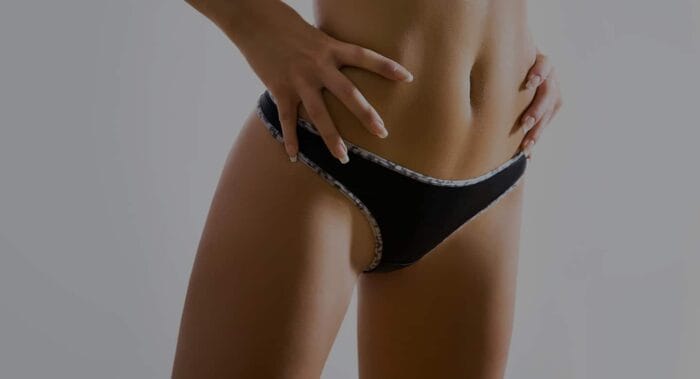

A thoughtful recovery plan protects your results and keeps you more comfortable. While every patient heals at a different pace, and every surgeon has a different protocol, the core principles are consistent. Protect the fat grafts from pressure, control swelling, move safely, and follow your surgical team’s guidance.
BBL Recovery Essentials
Your daily habits after BBL surgery have a direct impact on comfort and outcomes. Focus on positioning, consistent compression, gentle mobility, and only using recovery aids approved by your team. Small, repeatable behaviors add up to safer healing.
Lay on Your Stomach — Not Your Back or Sides
Avoid direct pressure on the buttocks or hips while the fat settles. Sleep on your stomach with pillows placed to keep you from rolling. If you need to change position, do so slowly and return to your stomach as soon as you are comfortable. Your surgeon will let you know when modified sitting is safe. Add a second pillow under your chest or between your knees if you notice any lower back strain.
There are also many commercially available “BBL mattress” options which are all a variation of an inflatable mattress with a hole somewhere in the middle for the butt and hips to avoid placing any pressure on them. If you choose to use one of these products make sure to check with your surgeon first.
Wear Your Compression Garment as Directed
Compression helps control swelling and supports new contours. Wear your garment for the number of hours your surgeon recommends and check the fit daily. It should be snug but not restrictive, and the fabric should lie smooth against the skin. Adjust rolling edges and keep the garment clean and dry to avoid irritation. If an area feels numb or overly tight, contact the clinic to confirm the fit is appropriate.
Take Light Walks Frequently to Support Circulation
Short, frequent walks help reduce stiffness and support healthy circulation. The goal should be a few minutes every hour while you are awake. Begin with gentle trips around your home and increase duration and add longer “exercise” walks only as advised. Avoid stairs and uneven surfaces until you feel steady. Do not lift heavy objects, bend repeatedly, or strain your core. If you feel lightheaded, pause, hydrate, and resume later at a slower pace.
Only Use Surgeon-Approved Aids
Recovery aids, such as Fajas, BBL pillows, thigh support cushions or various foams and boards can potentially support your positioning and garment use by reducing swelling, protecting incisions, and helping you avoid pressure on the buttocks. Incorrect use can ruin your results, so make sure you stick to items recommended by your surgical team and stop using anything that causes pain, numbness, or skin marks that do not fade within 20 to 30 minutes. If you are unsure about a product or fit, contact the clinic to make sure it is approved before using it.
What To Avoid and When to Call
Protect your recovery by avoiding habits that slow healing or jeopardize results. Know which symptoms require prompt follow up so issues can be addressed early. When in doubt, contact the clinic for guidance.
Don’t Sit or Put Pressure on Your Buttocks
Avoid sitting directly on the grafted areas until you are cleared. When sitting is allowed, keep sessions brief, use your BBL pillow correctly, and avoid hard surfaces. Driving is postponed until sitting is permitted and you are off prescription pain medication. Lean forward onto the thighs rather than reclining onto the buttocks if you must sit for a short period.
Don’t Smoke or Drink Alcohol During Recovery
Nicotine reduces blood flow and can compromise healing and fat survival. Alcohol can worsen swelling and interact with medications. Hold both until your surgeon confirms it is safe to resume. Secondhand smoke can also impair healing, so try to avoid smoky environments.
Red Flags that Need Prompt Attention
Call immediately for rapidly increasing pain, fever, spreading redness, shortness of breath, calf pain, chest pain, or drainage with a bad odour. Report sudden, noticeable asymmetry that was not present earlier, especially if it appears with pain or firmness. If you are unsure whether a symptom is normal, call for clarification. Early communication helps prevent minor concerns from becoming larger problems.
Recovery Timeline
Use this high level timeline to set expectations while following your personalized plan. Milestones vary with technique, your baseline health, and how closely instructions are followed. Your surgeon’s specific guidance always takes priority.
The First Week
Prioritize rest, compression, hydration, and short indoor walks while sleeping on your stomach. Keep incisions clean and dry as instructed and avoid soaking, heat, and tight clothing other than the compression garment that has been recommended by your surgeon. Expect swelling and bruising to be most noticeable between day 3 and 5. Numbness or a feeling of tightness is common and usually improves as swelling settles.
Weeks 2-4
Mobility improves and discomfort eases for most patients. You may progress to brief, modified sitting only if cleared, using a BBL pillow to shift weight to the thighs. Continue compression and gentle walking, and avoid workouts, heat exposure, and soaking until your surgeon approves. Shape may appear uneven as swelling changes, which is typical during this phase.
Weeks 5-8 and Beyond
Swelling continues to decline and early shape changes become clearer. Many patients return to normal daily routines and gradually resume low impact exercise when approved. Most surgeons will allow their patients to resume sitting without the BBL pillow somewhere during this timeframe. Final results continue to refine over several months as tissues settle and generally by 3 months the majority of swelling has resolved and the transferred fat is now considered to have “taken” and is considered permanent . Maintain healthy habits, adequate hydration, and stable weight to support long term outcomes.
A smooth BBL recovery comes from consistent, simple habits practiced every day. Protect the grafts from pressure, wear your garment as instructed, walk gently, and use only surgeon-approved aids. Expect swelling and shape changes to evolve over several months as tissues settle, and remember that timelines vary by patient. If anything feels uncertain or you notice a red flag, contact your surgical team for guidance.
Want to learn more about BBLs? Contact us to schedule your personalized consultation and learn more about the procedure and recovery process.