
How surgeons approach natural-looking breast augmentation
Natural-looking breast augmentation isn’t defined by a single technique or implant choice. It’s the result of thoughtful planning, including balancing proportion, movement, and fit to create a result that looks and feels in harmony with your body.
In this article:
- What defines natural-looking breast augmentation?: Key factors like proportion, movement, and fit that shape a result that looks and feels like you.
- Breast implant choices that support a natural look: How size, profile, placement, and tissue coverage influence your final outcome.
- The ‘natural’ consultation checklist: What to bring, ask, and consider to align your goals with the right surgical plan.
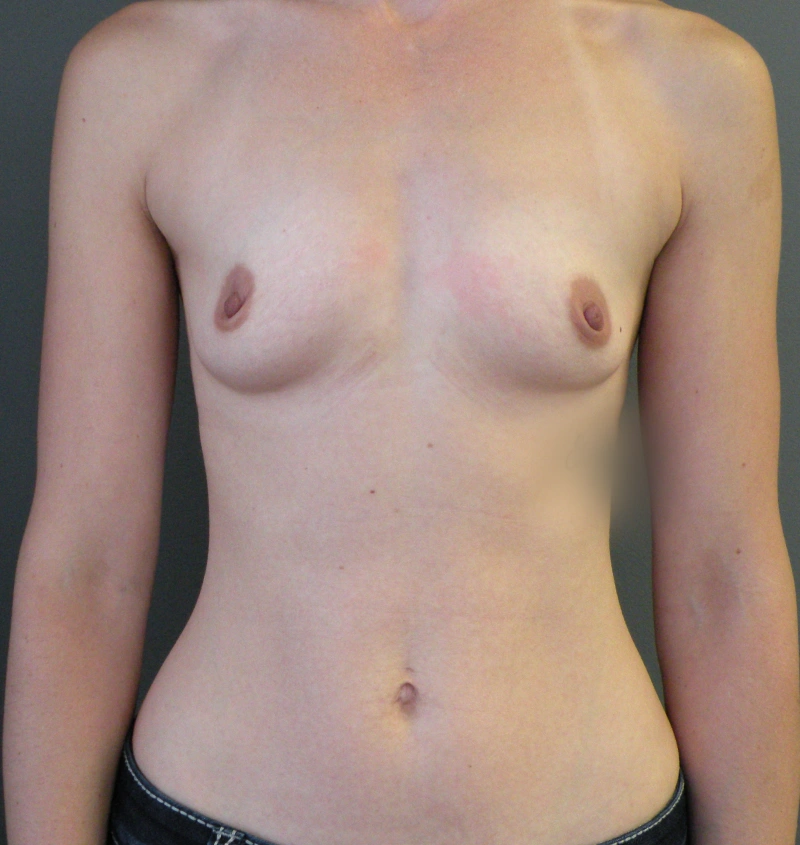
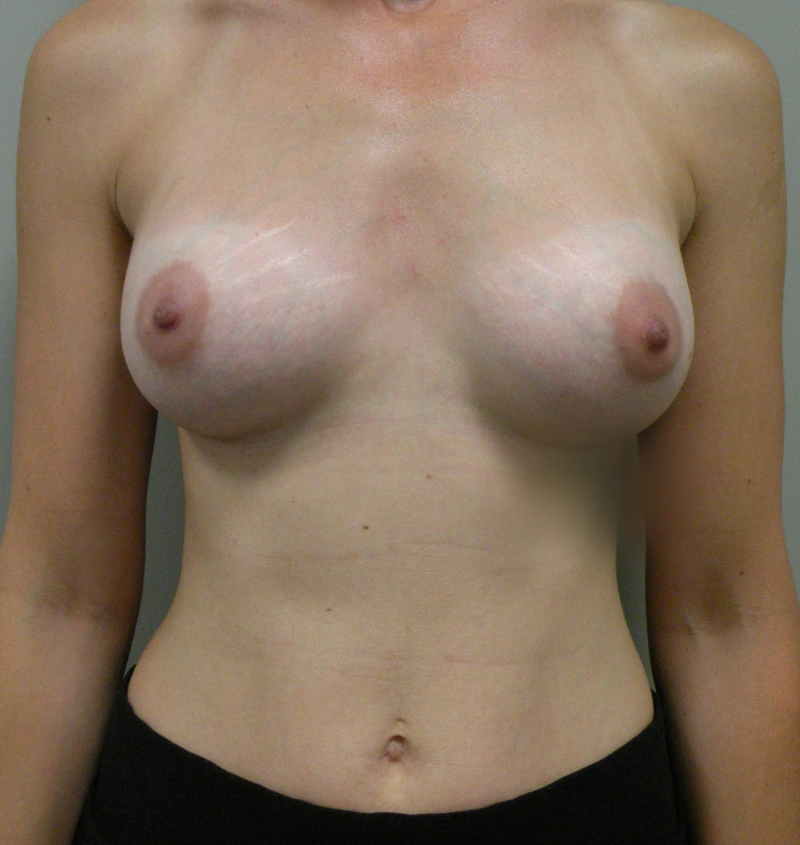
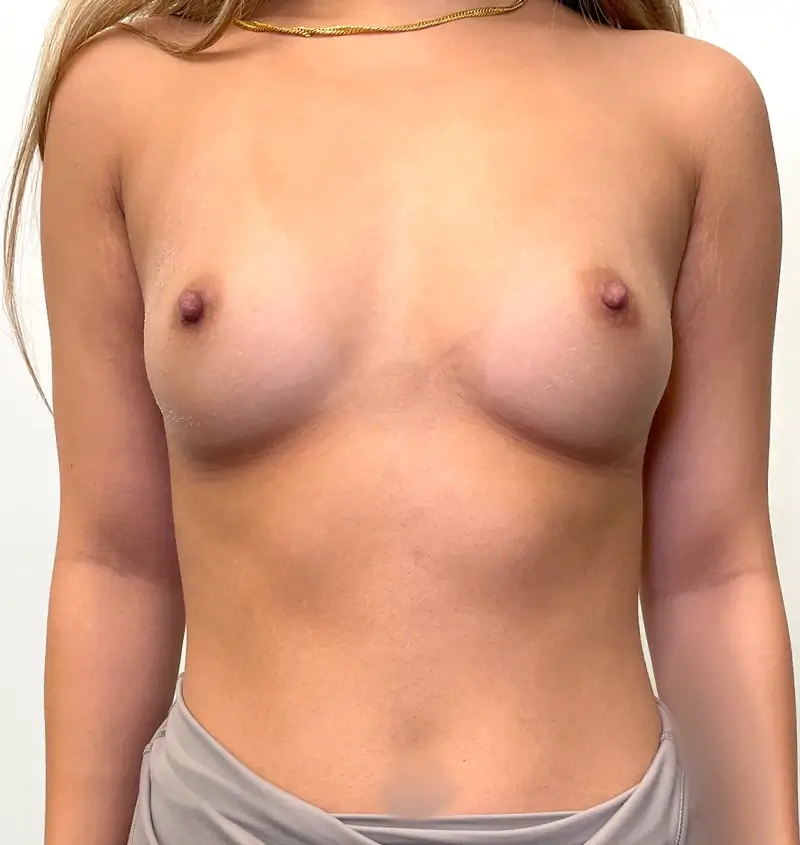
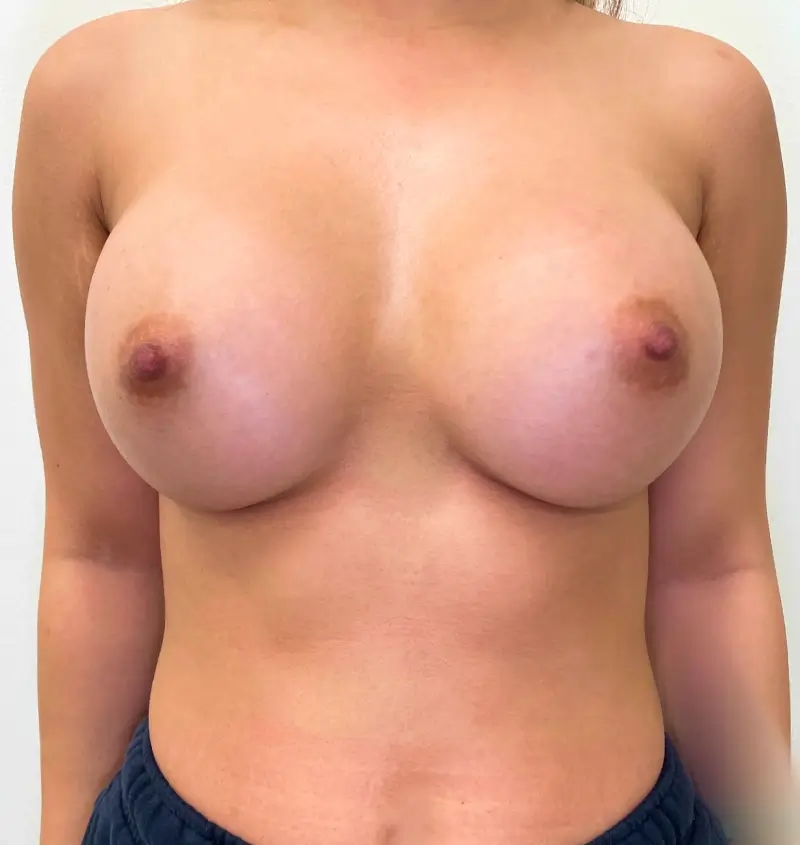
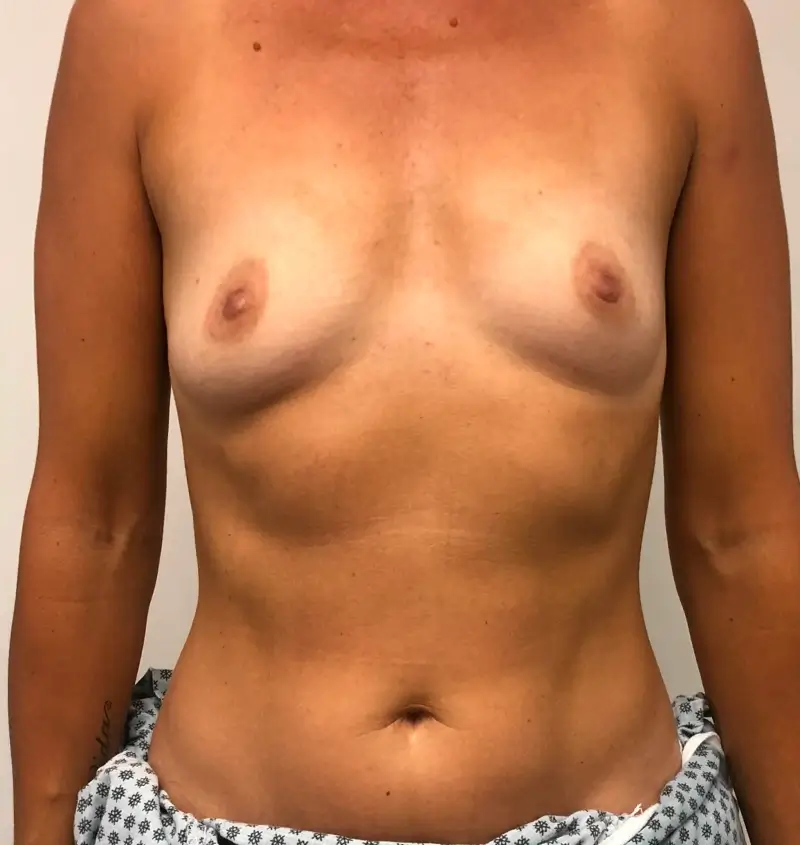
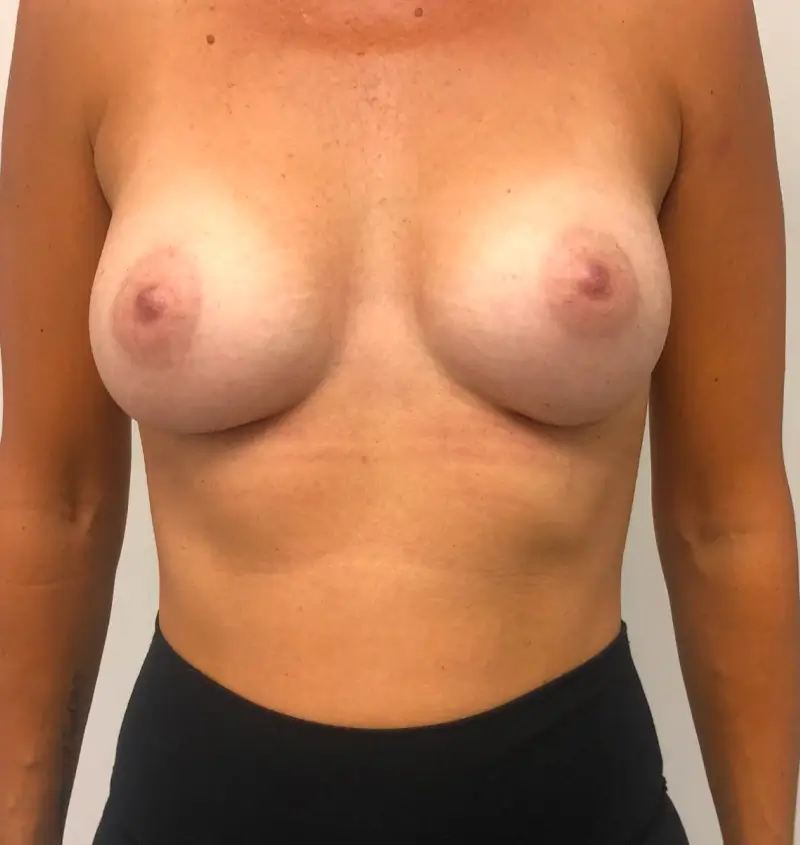
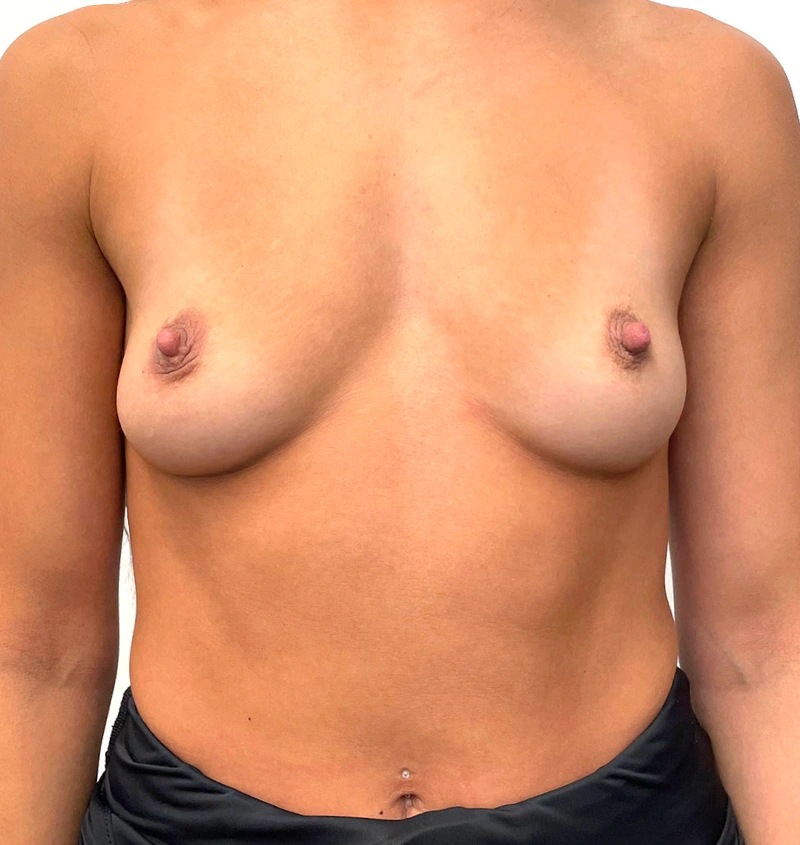
- Explore the breast augmentation before and after gallery: See real patient results across different anatomies and approaches to natural-looking outcomes.
A more complete look at your options
This page focuses on natural enhancement techniques. If you’d like a deeper look at procedures, outcomes, and how each approach compares, explore the full breast augmentation guide.
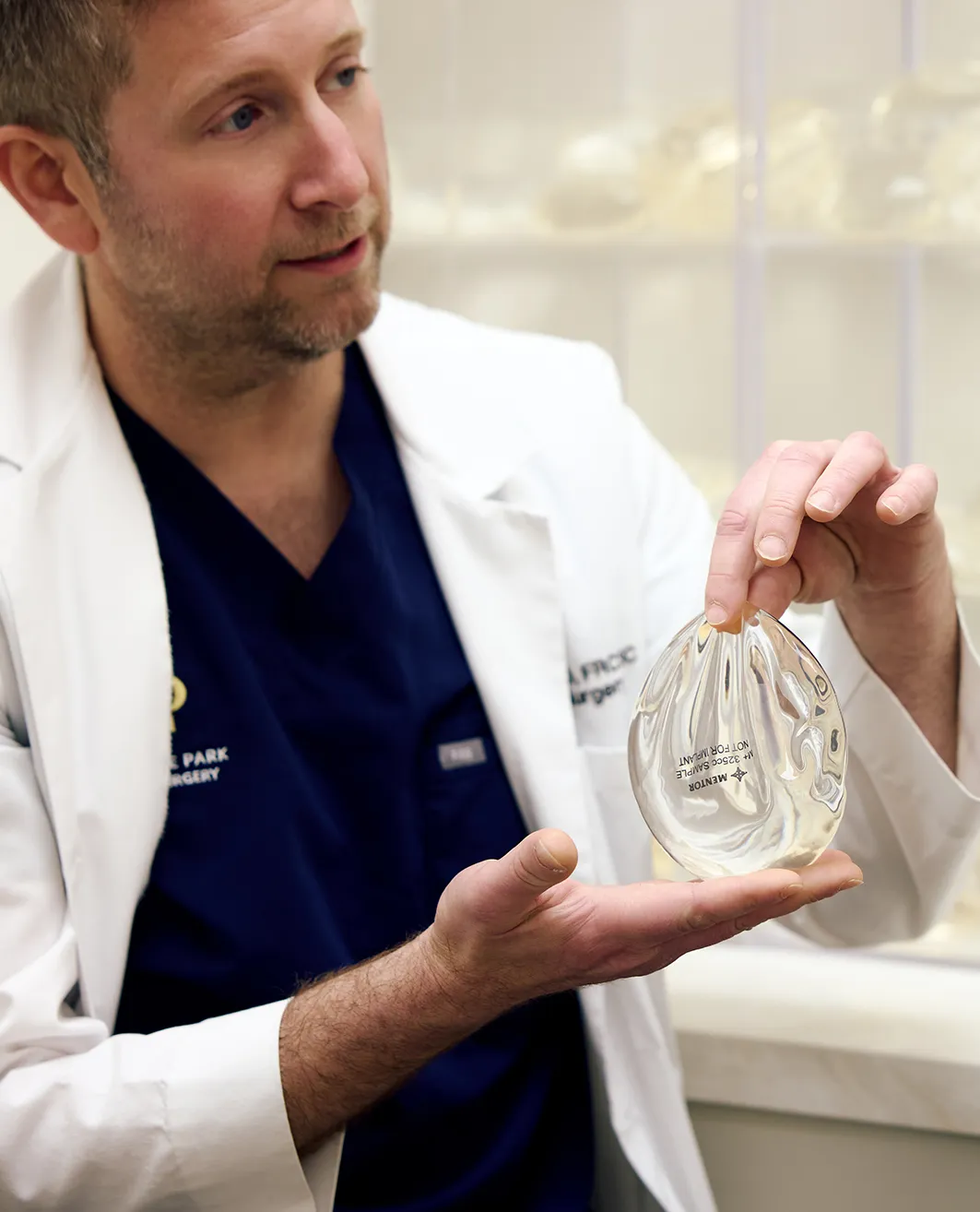
What defines natural-looking breast augmentation?
Natural-looking breast augmentation is less about chasing a specific cup size, and more about choosing an approach and implant plan that complements your frame. In consultation, Dr. Plant focuses on measurements, tissue characteristics, and your preferences to build a result that looks balanced, feels appropriate for your lifestyle, and ages as gracefully as possible.
1. Proportion
Proportion starts with your chest width and breast base width. When implant width and volume match your anatomy, the result is more likely to look harmonious from the front and the side, without feeling overdone. This is why “bigger” does not automatically mean more cleavage or better shape.
This also means avoiding a one-size-fits-all approach. The same implant can look very different depending on your frame and starting anatomy. By working within your natural proportions, the result feels balanced from every angle, rather than overly full in one area or disconnected from the rest of your silhouette.
2. Movement
A natural look includes natural movement. Implant type, placement, and your tissue coverage can all influence how the breasts move and settle over time. Early swelling and tightness are normal, and the final feel and softness can take weeks to months as healing progresses.
Movement is also something that evolves over time. As swelling resolves and the implants settle into position, the breasts begin to feel softer and more responsive. Choosing an approach that supports this process helps ensure your results continue to look natural not just immediately after surgery, but months and years down the line.
3. Fit
Fit is about how your results align with your body and your day-to-day life, including exercise, clothing, and comfort. A good plan aims for a size and shape that suit your goals while respecting what your tissues can safely support long term.
Fit also considers the practical side of your results, like how your breasts sit in different types of clothing, how they feel throughout the day, and how they align with your routine. The goal is a result that feels intuitive and easy to live with, rather than something you constantly have to adjust to.
These three elements work together to guide decisions around implant selection, placement, and overall surgical approach.
Breast implant choices that support a natural look
Natural-looking results usually come from a plan that prioritizes measurements first, then refines the details. These are the key choices that tend to have the biggest impact on proportion, movement, and “fit.”
Breast implant size and base width
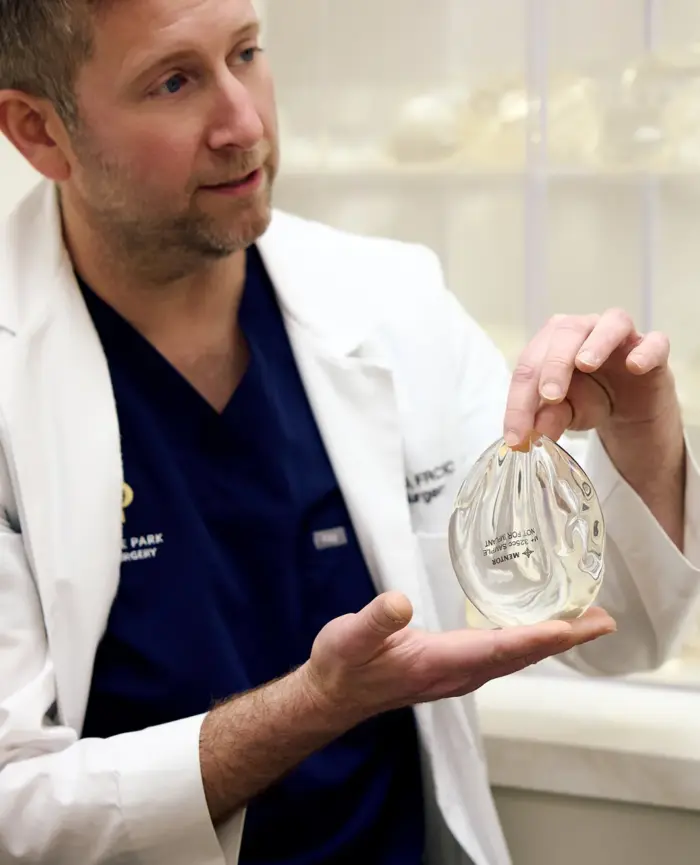
Implant volume matters, but implant width is often the make-or-break detail for a natural look. Matching implant diameter to your breast base width helps keep the result proportional and reduces the risk of an implant looking too wide for your chest.
Breast implant profile and projection
Two implants can be similar in volume but look different depending on projection. Profile can influence upper fullness and side profile, but the most natural results typically come from selecting projection that suits your anatomy and your desired shape, rather than pushing projection to create cleavage.
Breast implant placement and tissue coverage
Placement influences the upper pole slope, edge visibility, and the likelihood of rippling in thinner tissues. Dual-plane placement is commonly used because it can offer added coverage in the upper breast while still allowing lower pole fullness. Your best option depends on your tissue thickness and goals.
Fat transfer with breast implants for edge softening
In select patients, adding fat transfer can help soften transitions, camouflage implant edges, and fine-tune contour for a more seamless look. This “hybrid” approach can be especially useful when tissue coverage is thin or when you want a very tailored finish.
Mythbuster: ‘Natural’ Edition
Myth: Natural-looking breast augmentation means going small, and you can choose it by cup size.
Reality: “Natural” is about proportion and fit, using measurements to guide size, profile, and placement.
The ‘natural’ consultation checklist
- Bring 3 to 5 inspiration photos that reflect your preferred shape and proportion
- Know your priorities: subtle change, upper fullness, cleavage, symmetry, or a more athletic fit.
- Ask about measurements: What is my breast base width, and what implant widths suit it? What implant size range fits my tissues safely?
- Ask about shape and movement: Which profile best matches my goals for projection? How will placement affect softness, movement, and edge visibility?
- Ask about long-term fit: How might pregnancy, weight changes, or aging affect my result? What follow-up and monitoring do you recommend over time?
- If you want the most seamless contour, ask whether fat transfer with implants would add value for your anatomy.
Prepare for your consultation with confidence
Want to make the most of your consultation with Dr. Plant? Download our plastic surgery consultation guide to help you organize your goals, understand your options, and come prepared with the right questions.
Explore the breast augmentation before and after gallery