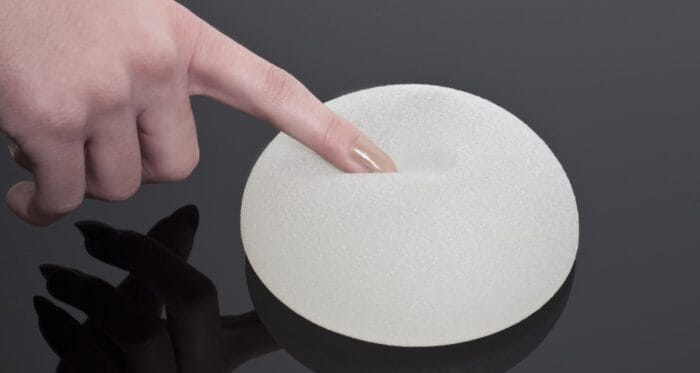

What to know about mammograms with breast implants
Breast implants do not prevent you from having a mammogram, but they do change how imaging is performed. With the right technique and clear communication with your imaging clinic, screening can still be effective. The key is understanding what’s different, what to expect at your appointment, and when additional imaging may be recommended.
In this article:
- How breast implants affect mammogram views: Why implants can make standard imaging more complex—and how specialized techniques help improve visibility.
- Breast implant placement and mammogram imaging: How over- vs. under-the-muscle placement can influence how easily breast tissue is seen during screening.
- When to ask about additional imaging: When ultrasound or MRI may be recommended based on your anatomy, symptoms, or implant type.
- Mammogram appointment checklist for patients with breast implants: What to tell your clinic, what to bring, and how to prepare for a smoother, more effective appointment.
If you’re early in your research, start with how implants affect mammogram views to understand what changes. If you already have implants, the placement and imaging sections can help you better prepare for your next appointment. The checklist at the end is designed to make sure nothing important gets missed when you book.
A more complete look at your options
This page focuses on mammograms and breast implants. If you’d like a deeper look at procedures, outcomes, and how each approach compares, explore the full breast augmentation guide.
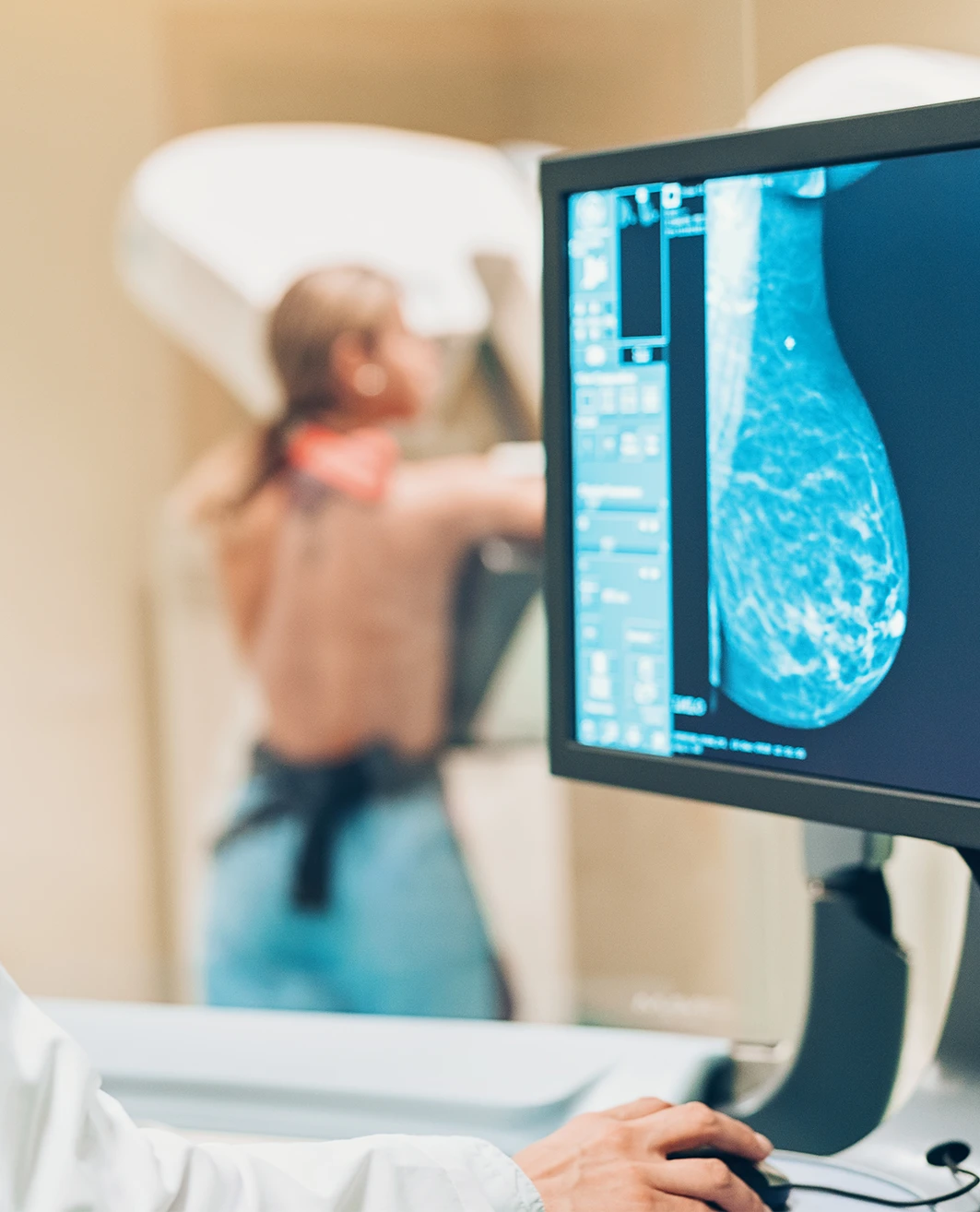
How breast implants affect mammogram views
Breast implants can make standard mammogram views more challenging, mainly because they are dense and don’t compress the same way as natural breast tissue. The good news is that mammography can be adapted. When your technologist knows you have implants, they can take additional specialized views designed to show as much breast tissue as possible.
Why extra views may be used
Many clinics use implant displacement views (often called the Eklund technique). This involves gently moving the implant back toward the chest wall while bringing the natural breast tissue forward, so more of it can be imaged.
In practice, this usually means a few additional images compared to someone without implants.
What breast implants can and cannot obscure
Implants can obscure some breast tissue on standard views because they appear “white” on mammography, which can block detail behind them.
Specialized views help reduce this limitation, but no imaging technique captures everything in every person.
That’s why it’s important to:
- Let your imaging clinic know you have implants ahead of time
- Stay consistent with routine screening based on your age and risk
- Follow up on any new or changing symptoms, even if prior imaging was normal
Breast implant placement and mammogram imaging
Implant placement can influence how easily the implant can be moved during a mammogram—and that affects how much natural breast tissue can be seen.
While imaging can be adapted in all cases, placement is one of several factors (along with tissue thickness and implant type) that can impact how straightforward those views are to obtain.
Subglandular breast implant placement considerations
With subglandular placement (over the muscle), the implant sits directly behind the breast tissue. Because there is no additional layer between the implant and the tissue, it can be more difficult to push the implant back during imaging.
In practice, this means:
- Greater reliance on specialized views
- A higher chance that some tissue may be harder to visualize on standard images
This doesn’t prevent effective screening, but it does make technique and communication with your imaging clinic especially important.
Submuscular breast implant placement considerations
With submuscular placement (under the muscle), there is a layer of muscle between the implant and the breast tissue. This can make it easier to move the implant back during imaging, allowing more of the natural breast tissue to be brought forward and captured on mammogram views.
In practice, this can:
- Improve tissue visibility in some patients
- Make implant displacement views easier to perform
Regardless of placement, mammograms are still effective with the right technique. The key is making sure your imaging team knows you have implants so they can plan your views appropriately.
When to ask about additional imaging
A mammogram is still the standard screening tool, but there are situations where your provider may recommend additional imaging. This could be based on your personal risk, breast density, an unclear finding, or symptoms you want assessed.
Ultrasound and breast MRI considerations
Ultrasound and MRI can help evaluate a specific concern or clarify an unclear mammogram. They are also used in conversations about implant integrity, especially for silicone implants, since rupture may not be obvious on exam. Screening recommendations can vary, but the FDA’s labeling guidance has recommended ultrasound or MRI for silicone implant rupture screening starting around 5 to 6 years after surgery, then every 2 to 3 years after. Your surgeon can advise what makes sense for your situation.
Symptoms that should be assessed
Book an assessment if you notice a new lump, persistent focal pain, skin changes, nipple discharge, rapid swelling, new firmness, or a change in breast shape. For implant-specific concerns, this can also include sudden size change (more typical with saline deflation) or a new change in contour. If something feels off, it’s reasonable to contact your primary care provider, your imaging clinic, or your surgeon.
Mammogram appointment checklist for patients with breast implants
- Tell the clinic you have breast implants when you book, not just on the day of the appointment, so they can schedule appropriate views
- Share what you know: implant type, approximate surgery date, and whether they are over or under the muscle
- Ask if the clinic is experienced with implant displacement views
- Bring prior breast imaging if you have it, comparison images help radiologists
- Mention any symptoms clearly
- Follow the clinic’s prep instructions
Prepare for your consultation with confidence
Want to make the most of your consultation with Dr. Plant? Download our plastic surgery consultation guide to help you organize your goals, understand your options, and come prepared with the right questions.