

Many patients considering body contouring or breast surgery wonder whether more than one concern can be addressed during the same operation. You may be thinking about restoring areas affected by pregnancy, improving loose skin after significant weight loss, or combining procedures that complement one another.
In many cases, multiple procedures can be performed together. However, the decision involves more than convenience. Your health, the procedures being considered, expected operating time, recovery demands, and aesthetic priorities must all be evaluated before a combined surgery is recommended.
Understanding how these decisions are made can help you approach your consultation with realistic expectations and participate more confidently in the planning process.
In this article:
- Yes, Many Plastic Surgery Procedures Can Be Combined
- Why Patients Choose to Combine Procedures
- Which Procedures Are Commonly Combined?
- Not Every Procedure Should Be Combined
- Who Is a Good Candidate for Combining Procedures?
- When It Makes More Sense to Stage Procedures
Yes, Many Plastic Surgery Procedures Can Be Combined
Plastic surgery procedures are often combined when they address related concerns and can be performed within reasonable surgical and recovery limits.
Examples may include pairing breast surgery with abdominal contouring after pregnancy, adding liposuction to a tummy tuck, or addressing more than one area of loose skin after major weight loss. The purpose is not simply to complete more procedures at once. It is to create a coordinated surgical plan that reflects the patient’s priorities.
Some patients will be well suited to a combined operation, while others may benefit from separating treatment into stages. A personalized treatment plan helps establish which approach is most appropriate based on the full clinical picture.
Why Patients Choose to Combine Procedures
When procedures complement one another, combining them may offer a more coordinated way to address several concerns. Patients may also value reducing the number of separate operations and recovery periods required to complete their treatment.
These potential advantages must always be considered alongside the demands of a longer or more involved surgery.
Addressing Multiple Concerns During One Surgical Plan
Pregnancy, weight changes, and aging can affect several areas at the same time. For example, pregnancy may change both breast shape and abdominal contour, while significant weight loss may leave loose skin across multiple regions.
When these concerns are related, addressing them within one surgical plan can create a more cohesive approach than treating each area without considering the others.
Reducing the Number of Recovery Periods
Combining procedures may reduce the need for separate operations scheduled months or years apart. This can be appealing to patients coordinating treatment around work, caregiving, or other responsibilities.
A single recovery period does not necessarily mean an easier recovery. Combined surgery may involve greater activity restrictions, more assistance at home, and a longer initial healing phase. These practical demands should be understood before deciding how to proceed.
Supporting More Balanced Overall Results
Some procedures work well together because they affect neighbouring areas or different aspects of the same contour. Treating them in coordination may support a more proportionate overall result.
For example, changing the abdomen can influence how the waist, hips, and torso appear in relation to one another. Considering body proportion and balance helps prevent surgical planning from focusing too narrowly on one feature.

Which Procedures Are Commonly Combined?
Certain procedures are frequently paired because they address complementary concerns. The appropriate combination will depend on the patient’s anatomy, priorities, health, and the extent of surgery involved.
Mommy Makeover
A mommy makeover is not one standardized operation. It is a customized combination of procedures intended to address physical changes associated with pregnancy and breastfeeding.
A surgical plan may include a tummy tuck, breast lift, breast augmentation, liposuction, or another combination based on the patient’s concerns. The procedures selected, and whether they should be completed together, are determined individually.
Tummy Tuck and Liposuction
A tummy tuck and liposuction address different components of abdominal contouring.
Liposuction reduces localized fat deposits, while a tummy tuck removes excess skin and may repair separated abdominal muscles when clinically indicated. Combining them can allow the surgeon to address both tissue laxity and localized fullness within the same operative plan.
Neither procedure substitutes for the other, and not every patient requires both.
Breast Lift and Breast Augmentation
A breast lift repositions and reshapes sagging breast tissue, while breast augmentation adds volume with implants or the patient’s own fat.
Patients experiencing both breast descent and volume loss may be candidates for combining the two. This approach can address position, shape, and fullness together, although implant selection and surgical technique must be carefully planned to avoid placing excessive tension on the tissues.
Body Contouring After Significant Weight Loss
After substantial weight loss, loose skin may affect the abdomen, arms, thighs, breasts, chest, or lower body.
Some body contouring procedures after significant weight loss can be combined, but extensive treatment often requires more than one operation. The sequence is typically based on the areas causing the greatest concern, the extent of tissue removal required, and how one procedure may influence later planning.
One coordinated plan does not always mean one operation
The convenience of a shared recovery needs to be weighed against operative complexity, restrictions during healing, and individual health factors.
Not Every Procedure Should Be Combined
The fact that procedures can be performed together does not mean they should be.
Combining several operations may lengthen anesthesia time, increase surgical complexity, and place greater demands on recovery. Certain procedures may also involve competing postoperative needs. For example, restrictions intended to protect one surgical area may make recovery from another more difficult.
In these situations, separating treatment may provide a more controlled and manageable path. Good surgical planning is not measured by how much can be accomplished in one day. It is measured by whether the proposed approach is reasonable for the patient and the procedures involved.

Who Is a Good Candidate for Combining Procedures?
Candidates for combined surgery are generally in good health, have realistic expectations, and are able to manage the physical and practical demands of recovery.
Candidacy also depends on the specific procedures being considered. A patient who is suitable for two shorter, complementary procedures may not necessarily be suited to a more extensive combination.
Your Overall Health and Medical History
Your health influences how well you may tolerate surgery, anesthesia, wound healing, and recovery.
Medical conditions, medications, smoking or nicotine use, previous operations, and a history of surgical complications may affect the recommendation. A detailed medical review helps identify factors that could increase risk or require changes to the proposed plan.
Full and accurate health information is essential, even when a condition appears unrelated to plastic surgery.
Surgical Complexity and Operating Time
Each added procedure increases operative demands. The surgeon must consider the anticipated duration of surgery, patient positioning, fluid management, and the cumulative effect of treating multiple areas.
The relevant question is not simply how many procedures are planned. It is whether the entire operation remains within a responsible scope for that patient.
Your Recovery and Support at Home
Recovery from combined surgery may be more demanding than recovery from a single procedure. Patients may need help with meals, transportation, childcare, household responsibilities, medication schedules, and mobility during the early healing period.
The location of the procedures also matters. Surgery involving both the upper and lower body, for example, may limit how comfortably a patient can move or use their arms for support.
When recovery logistics become difficult or the burden of healing would be excessive, a staged surgical approach may be more practical.
When It Makes More Sense to Stage Procedures
Staging means completing treatment through two or more separate operations rather than combining everything at once.
This may be recommended when the proposed combination would create an unnecessarily long operation, involve extensive tissue removal, or make postoperative care difficult to manage. Staging may also allow the result of one procedure to guide the next phase of treatment.
For example, after significant weight loss, improving the abdomen or lower body first may change how adjacent areas are assessed later. In other cases, separating breast and body procedures may make positioning, mobility, and recovery more manageable.
Although staged treatment extends the overall timeline, it gives the body time to heal between operations and may allow each procedure to be planned with greater precision.

How Dr. Plant Recommends the Safest Surgical Approach
Dr. Plant begins by clarifying which concerns matter most to you and what you hope surgery will change. He then evaluates your anatomy, medical history, previous procedures, and the practical realities of recovery.
The proposed procedures are considered as one complete operation rather than as separate items on a list. This includes evaluating how they interact, how long surgery may take, what postoperative restrictions will apply, and whether the anticipated benefits justify the additional complexity.
You should also understand the alternatives. Depending on the assessment, the recommendation may be to combine procedures, begin with one priority area, or complete treatment in stages.
This process is designed to give you a clear explanation of what is possible, what may be reasonable, and where limitations apply. The objective is a carefully considered recommendation, not simply a larger operation.
Frequently Asked Questions
| Question | Answer |
|---|---|
| "Is combining procedures always more efficient?" | Not necessarily. A combined operation may reduce the number of separate surgical visits, but it can also create a more demanding recovery. |
| "Can a procedure be added later?" | In some situations, a staged approach allows the result of the first procedure and your healing to guide later decisions. Dr. Plant can discuss timing during your assessment. |
Explore Before & After Results
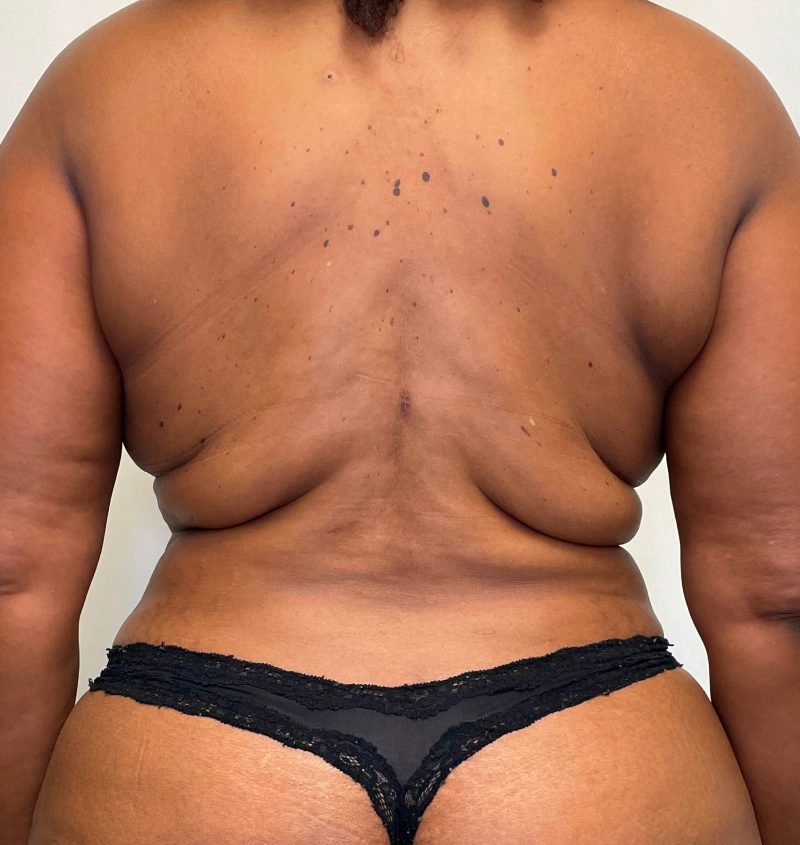
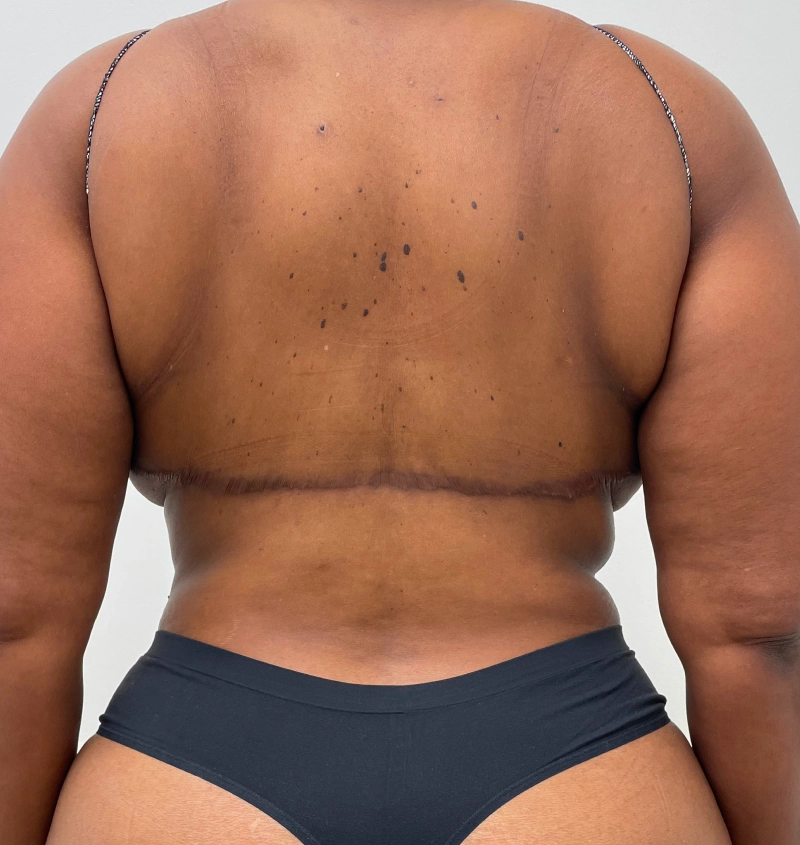
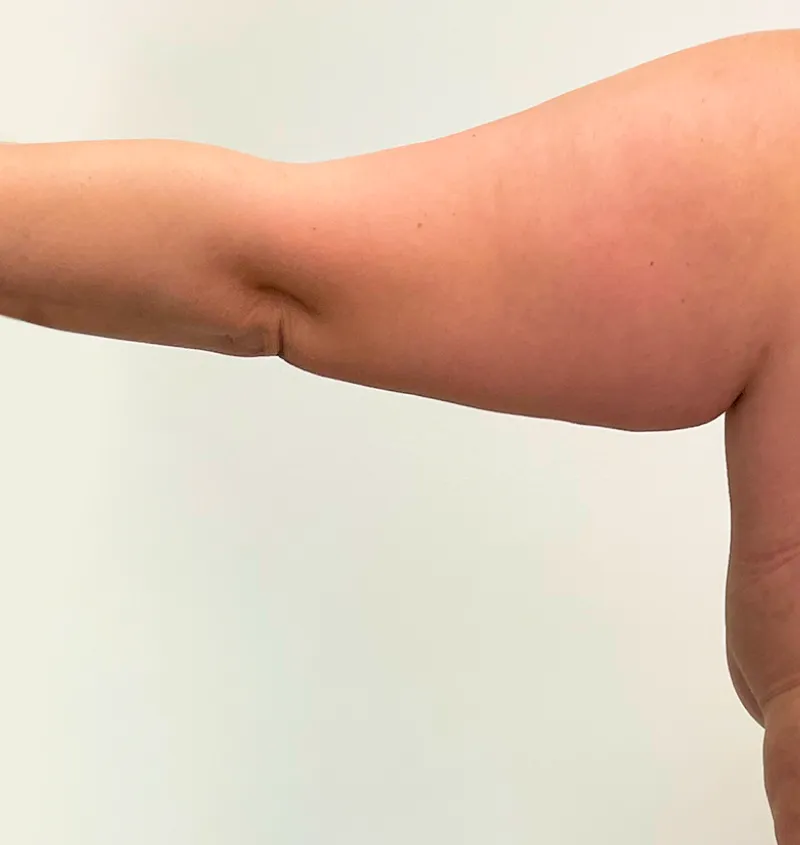
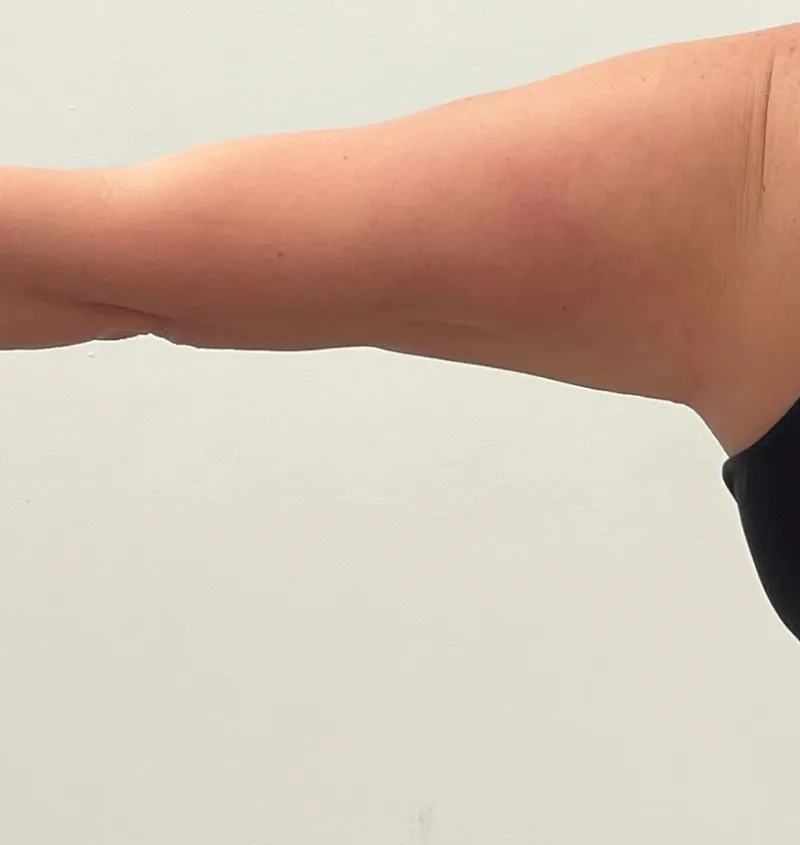
When reviewing a before-and-after gallery, consider more than the final image. Look at the patient’s initial anatomy, which areas were treated, whether the procedures were completed together, and how the overall silhouette changed.
Photos can provide useful context, but they cannot predict an individual outcome. Differences in skin quality, tissue distribution, healing, scars, and surgical goals mean that results will vary from one patient to another.
Use the gallery to identify questions and preferences rather than to select an exact result to reproduce.



Schedule a Consultation
You don’t need to decide in advance which procedures should be combined.
During a consultation, Dr. Plant will assess your concerns, explain the available options, and review the expected benefits, limitations, recovery requirements, and potential risks of each approach. You will also have an opportunity to discuss timing, priorities, and whether treatment is better completed together or in stages.
To begin that conversation, schedule a consultation with Dr. Plant at Lawrence Park Plastic Surgery.