

Body contouring is about much more than selecting a procedure. It begins with developing a surgical plan that reflects your anatomy, priorities, lifestyle, and the changes you’d like to achieve.
Many patients arrive with a specific concern, such as excess abdominal skin, stubborn fat, or changes following pregnancy or weight loss. However, what outwardly appears as a singular problem is often influenced by several underlying factors. Understanding those differences is what allows a personalized body contouring treatment plan to be developed, rather than applying the same solution to every patient.
Whether you’re considering body contouring for the first time or exploring surgery after years of thinking about it, understanding how treatment plans are developed can help you make informed decisions before your body contouring consultation.
In this guide:
- Why body contouring requires an individualized approach
- What surgical body contouring can achieve
- Turning goals into a practical treatment strategy
- How your treatment plan is developed
- How safety influences surgical planning
- When procedures can be combined or staged
- Body contouring procedures
- Is surgical body contouring right for you?
Why Body Contouring Requires an Individualized Approach
No two patients experience body changes in exactly the same way. Even when concerns appear similar, the underlying anatomy often differs significantly.
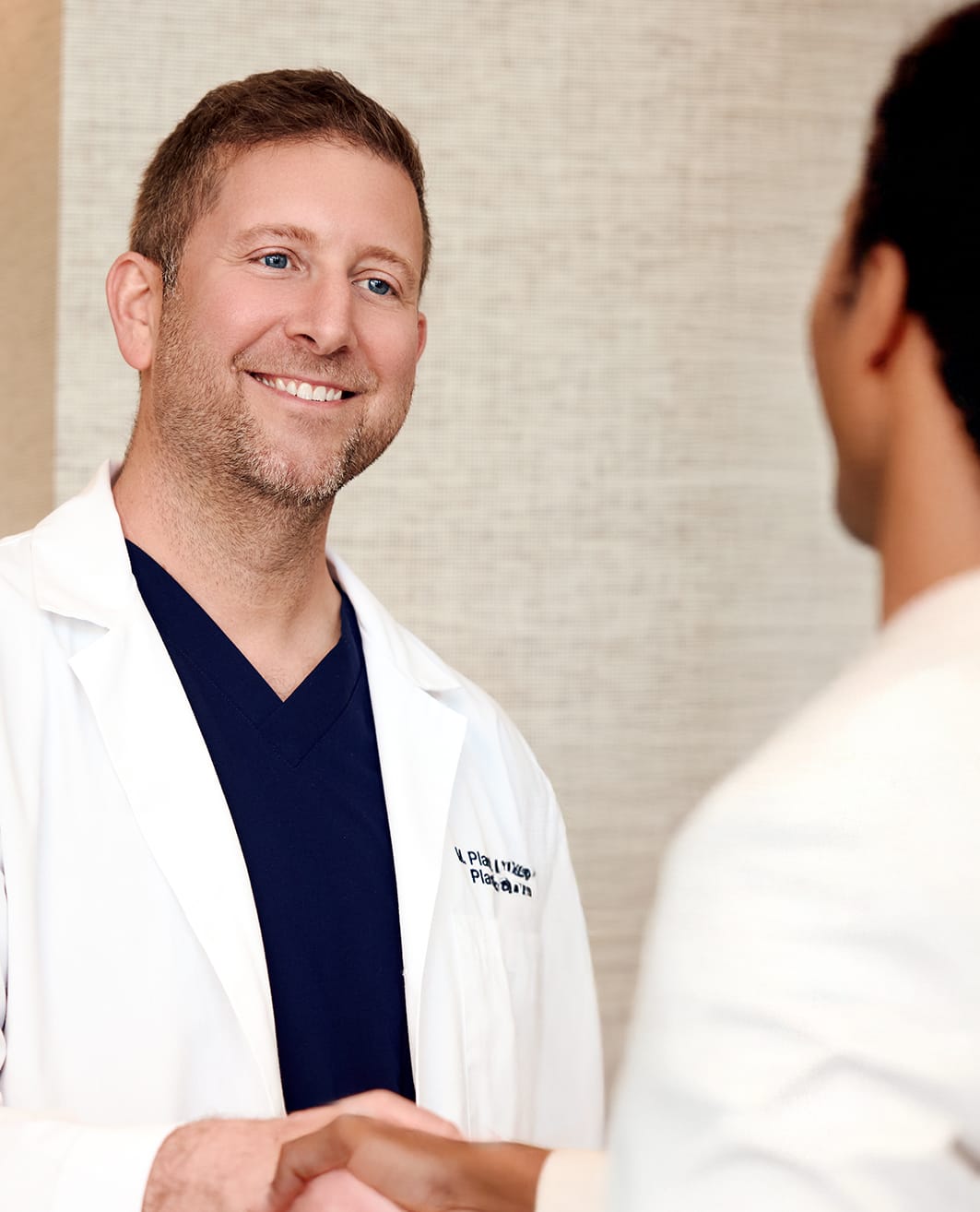
This is why body contouring begins by understanding why a concern exists rather than selecting a procedure based on appearance alone. During your consultation, Dr. Plant carefully evaluates the body as a whole, considering how different areas relate to one another instead of treating each concern independently.
He also considers factors such as age, lifestyle, and anatomy, recognizing that these influence skin quality, tissue support, recovery, and the procedures that may ultimately be recommended. Looking beyond a single treatment area allows recommendations to be based on the underlying cause of a concern, creating results that are balanced, proportionate, and tailored to the individual.
What may be causing the concern?
Localized fat
When fullness is primarily due to localized fat and skin elasticity is good, liposuction may be considered to refine contours.
Loose or excess skin
Where skin has lost elasticity, removing fat alone may leave loose skin behind. A procedure that removes excess skin may be considered.
Abdominal muscle separation
When abdominal muscle support has changed, a tummy tuck may include muscle repair when appropriate. Liposuction does not correct muscle separation.

What Surgical Body Contouring Can Achieve
Surgical body contouring is designed to improve body shape by addressing structural concerns that cannot typically be corrected through diet and exercise alone. Depending on the underlying cause(s), treatment may involve removing localized fat, excising excess skin, repairing weakened tissues, or combining several procedures to restore smoother, more proportional contours.
Treatment planning looks at how skin, fat, and supporting tissues interact. For some patients, one procedure may be enough; others may need complementary approaches that address different concerns.
Reducing Localized Fat and Refining Contours
One of the first questions during treatment planning is whether fullness is caused by excess fat, loose skin, weakened supporting tissues, or a combination of these factors. Although these concerns often appear similar, each requires a different treatment strategy.
When skin elasticity remains good and excess fat is the primary concern, liposuction may improve body contour by removing targeted fat deposits. However, removing fat alone will not tighten stretched skin or repair muscle separation. Understanding this distinction is one of the reasons why a careful assessment is performed before any recommendations are made.
Patients with mild skin laxity or isolated fat deposits may also benefit from understanding the differences between surgical and non-surgical body contouring, since not every concern requires surgery. Matching the treatment to the underlying cause, rather than the appearance alone, helps create more predictable and appropriate outcomes.
→ Read: surgical and non-surgical body contouring
Removing Excess Skin and Reshaping Supporting Tissue
While fat can often be reduced through liposuction, loose skin requires a different approach. Pregnancy, significant weight loss, and the natural aging process can all affect the skin’s ability to contract after the body changes shape. Once the skin has stretched beyond its natural elasticity, removing fat alone may leave excess skin behind.
Procedures such as a tummy tuck, body lift, breast lift, arm lift, and thigh lift are designed to remove excess skin while reshaping the supporting tissues beneath. The procedure selected depends on where skin laxity occurs, how extensive it is, and how it affects overall body proportion.
Patients seeking body contouring after significant weight loss often require a more comprehensive treatment strategy because multiple areas of the body may be affected simultaneously. Understanding how weight loss changes the body helps determine whether surgery should focus on one area or form part of a broader transformation plan.

Turning Goals Into a Practical Treatment Strategy
Most patients don’t begin by asking for a specific procedure. Instead, they describe the changes they’d like to see, whether that’s a flatter abdomen, firmer arms, improved breast shape, or a more balanced silhouette. One of the most important parts of the consultation is translating those concerns into a practical surgical strategy.
Rather than working backwards from a procedure, Dr. Plant first seeks to understand what is causing each concern, how different areas of the body relate to one another, and which changes will have the greatest overall impact. This thoughtful planning process helps ensure that every recommendation has a clear purpose within your personalized body contouring treatment plan.
Identifying the Areas You’d Like to Improve
Every patient’s priorities are different. Some people are bothered by a single area, while others have concerns affecting multiple parts of the body following pregnancy, aging, or weight loss. During your body contouring consultation, you’ll discuss which changes matter most to you, what you’ve tried previously, and what you hope to achieve through surgery.
Understanding your priorities helps establish realistic expectations while also determining which body area to surgically address first when multiple concerns are present. In some cases, treating one area may naturally improve another. In others, addressing one concern first creates a stronger foundation for future procedures.
This conversation is about more than choosing a starting point. It’s about developing a treatment strategy that aligns with your goals, lifestyle, and long-term plans.
A few questions to consider before your consultation
- Which area concerns me most, and when do I notice it in daily life?
- Am I looking to address loose skin, localized fullness, a change in shape, or several concerns together?
- Am I at a stable weight, and could future pregnancy or other changes affect my timing?
- How much time could I set aside for recovery, and what support would I have at home?
Planning for Proportion and Balance
Successful body contouring is about creating harmony between different areas of the body rather than improving one feature in isolation. Changes made to the abdomen can influence the appearance of the waist and hips, while breast surgery may improve upper body balance. Likewise, contouring the thighs or arms should complement your overall physique rather than appear disproportionate.
This is why surgical planning begins by assessing body proportion and balance, rather than focusing solely on the area that initially prompted your consultation. Looking at the relationship between neighbouring structures allows Dr. Plant to recommend procedures that create natural-looking improvements across the entire body.
Reviewing a before-and-after gallery can also help patients understand how improving one area often influences overall body shape, providing a better sense of how comprehensive treatment planning contributes to balanced results.
→ View: Body Contouring Before & After Gallery
Prioritizing Areas of Treatment
When multiple concerns are present, treatment planning involves deciding not only what should be addressed, but also when it should be addressed. Factors such as surgical complexity, recovery time, safety considerations, and your personal goals all influence the sequence of treatment.
Some patients are good candidates for combining multiple body contouring procedures during a single operation, while others may benefit from a staged surgical approach, allowing the body to heal between procedures or accommodating personal scheduling and recovery needs.
Establishing these priorities helps create a surgical plan that is both practical and individualized, ensuring each recommendation contributes to a safe and well-coordinated outcome.
How does a surgeon assess the whole body before recommending a procedure? Skin elasticity, fat distribution, tissue support, and body proportions all influence the options worth considering.
→ Read: How Plastic Surgeons Assess the Whole Body, Not Just One Area

How Your Treatment Plan Is Developed
Developing a surgical plan involves much more than selecting procedures. It begins with a comprehensive evaluation of your anatomy, overall health, lifestyle, and recovery considerations to determine which treatments are appropriate and how they can be performed safely.
Every recommendation is made within the context of your overall body shape, aesthetic goals, and long-term plans, ensuring that treatment is tailored to your individual circumstances rather than following a one-size-fits-all approach.
Assessing Skin, Fat, Muscle, and Tissue Support
The first step in treatment planning is understanding the structures that contribute to your body’s shape. Skin quality, fat distribution, muscle integrity, and the condition of the underlying tissues all influence which procedures may be recommended and what outcomes can realistically be achieved.
For example, loose skin and excess fat may produce a similar appearance, but each requires a different treatment strategy. Likewise, weakened abdominal muscles following pregnancy cannot be corrected with liposuction alone. Identifying these differences helps determine which procedures are most appropriate before any surgical recommendations are made.
Rather than evaluating a single concern in isolation, Dr. Plant focuses on evaluating the body as a whole, recognizing how neighbouring areas influence one another and how each procedure contributes to the overall treatment plan.
Reviewing Your Health, Lifestyle, and Recovery Considerations
An effective treatment plan reflects more than your anatomy. Your overall health, medical history, activity level, occupation, future pregnancy plans, smoking status, and weight stability all play an important role in determining the timing and scope of surgery.
These factors also influence recovery planning. Patients with physically demanding jobs, caregiving responsibilities, or upcoming life events may require adjustments to their surgical timeline to ensure they can recover comfortably and safely.
Understanding how age, lifestyle, and anatomy influence treatment planning allows recommendations to be tailored not only to your physical characteristics, but also to your everyday life and long-term goals.
Matching Procedures to Your Anatomy and Goals
Once your evaluation is complete, each recommendation is considered as part of the overall surgical strategy. Rather than viewing procedures independently, Dr. Plant considers how they work together to address the underlying causes of your concerns while supporting balanced, long-term results.
For some patients, a single procedure provides meaningful improvement. Others may benefit from combining body contouring procedures to address concerns affecting different areas or different layers of tissue. The decision is based on your anatomy, treatment goals, safety considerations, and recovery requirements, rather than applying the same approach to every patient.
Ultimately, the objective is to develop a personalized body contouring treatment plan in which every recommendation has a clear purpose and contributes to a safe, cohesive outcome.

How Safety Influences Surgical Planning
Every treatment plan is developed with safety as the highest priority. While aesthetic goals are an important part of the planning process, they must always be balanced with considerations such as your overall health, the complexity of surgery, recovery requirements, and the body’s ability to heal.
Surgical planning isn’t simply about determining what can be accomplished. It’s about identifying the safest approach to achieving meaningful improvements while minimizing unnecessary risk. Every recommendation is made with careful attention to your individual circumstances, ensuring that the treatment plan is both appropriate and realistic.
Medical History and Individual Risk Factors
Your medical history plays an important role in determining whether surgery is appropriate and how it should be planned. During your consultation, Dr. Plant will review factors such as previous surgeries, medications, allergies, smoking status, chronic medical conditions, and any history that may influence healing or anesthesia.
These discussions help identify potential risks before surgery and allow your treatment plan to be adapted when necessary. In some cases, additional medical clearance or lifestyle modifications may be recommended before proceeding. The goal is to create a surgical plan that prioritizes both safety and long-term outcomes.
Procedure Length, Anesthesia, and Recovery Demands
The length and complexity of surgery are important considerations during treatment planning. While combining procedures may provide the convenience of a single recovery, longer operations also place greater demands on the body.
When developing your treatment plan, Dr. Plant carefully considers the anticipated operative time, the type of anesthesia required, and whether multiple procedures can be performed safely during one operation. These decisions are based on your health, the complexity of surgery, and your ability to recover comfortably.
By carefully balancing surgical efficiency with patient safety, treatment plans can be designed to achieve meaningful improvements while maintaining an appropriate margin of safety.
Postoperative Support and Follow-Up Planning
Recovery begins long before the day of surgery. Planning for transportation, assistance at home, time away from work, and postoperative appointments helps create a smoother recovery experience.
Patients are also provided with detailed postoperative instructions and ongoing follow-up care to monitor healing and address any questions throughout the recovery process. Regular follow-up appointments allow Dr. Plant to assess progress, provide guidance as your recovery continues, and support you throughout each stage of your surgical journey.
Combining surgery is a planning decision
One operation is not always the right choice. The safest sequence depends on the procedures, expected operating time, healing demands, and the support you can arrange at home.

When Procedures Can Be Combined or Staged
Body contouring often involves improving more than one area of the body. Once your treatment goals have been established, the next step is determining whether those procedures should be performed during a single operation or completed over multiple stages.
The answer depends on several factors, including the procedures involved, your overall health, expected recovery, and the length of surgery. Rather than applying the same approach to every patient, this decision is made individually to balance surgical efficiency with safety.
When Procedures May Be Combined
For appropriately selected patients, combining procedures during one operation can address multiple concerns while allowing for a single anesthesia event and one recovery period.
For example, abdominal contouring may be performed alongside breast surgery, or liposuction may complement procedures that remove excess skin to further refine body shape. When these procedures can be safely performed together, combining surgery may improve overall efficiency while creating more comprehensive body contouring results.
Every recommendation is based on your anatomy, surgical goals, and overall health rather than simply performing as many procedures as possible at one time.
When a Staged Approach May Be Recommended
In other situations, separating procedures into multiple operations may provide the safest and most effective approach.
A staged treatment plan may be recommended when surgery is expected to be extensive, when several areas require significant correction, or when allowing the body to recover between procedures is likely to improve overall safety and healing.
Although treatment occurs over a longer period, staging procedures often allow each operation to remain focused while giving your body adequate time to recover before moving to the next phase of treatment.
Combined vs. Staged Procedures at a Glance
| Approach | May be considered when | Potential benefit | Key consideration |
|---|---|---|---|
| Combined procedures | The patient is an appropriate candidate and operative demands remain within a safe range | One anesthesia event and one recovery period | A longer, more complex operation and recovery |
| Staged procedures | Several areas require extensive correction or a shorter operation is preferable | Each operation remains focused and the body heals between stages | More than one procedure and recovery period |
Explore the difference between one procedure and a coordinated plan
If several areas concern you, learn when complementary procedures may be considered together and when separate operations may be more appropriate.
→ Read: Can You Combine Multiple Plastic Surgery Procedures?

Body Contouring Procedures
Body contouring encompasses a range of surgical procedures designed to address different concerns affecting the abdomen, breasts, arms, thighs, and lower body. Rather than viewing these procedures independently, each one should be considered within the context of your overall treatment plan and the anatomical concerns it is intended to address.
The following procedures are among the most commonly incorporated into personalized body contouring plans.
Tummy Tuck for Abdominal Skin and Muscle Changes
A tummy tuck is commonly recommended for patients experiencing loose abdominal skin, weakened abdominal muscles, or changes following pregnancy or weight loss. In addition to removing excess skin, the procedure can restore the abdominal contour by repairing separated muscles when appropriate.
Whether performed on its own or as part of a broader treatment plan, a tummy tuck is selected based on the condition of the abdominal tissues rather than the presence of excess fat alone.
→ Learn more: Tummy Tuck
Body Lift for Circumferential Skin Laxity
Patients with extensive skin laxity affecting the abdomen, hips, buttocks, and outer thighs may benefit from a body lift. This procedure addresses excess skin that extends around the lower torso, creating smoother body contours while improving the relationship between multiple areas of the body.
Body lift surgery is most commonly considered after significant weight loss, when skin laxity affects several regions simultaneously and cannot be corrected through isolated procedures.
→ Learn more: Body Lift
Breast Lift After Weight Loss or Pregnancy
Changes in breast shape often occur following pregnancy, breastfeeding, aging, or weight loss. When the breasts lose volume or descend over time, a breast lift may restore a more youthful position by reshaping the breast tissue and removing excess skin.
Depending on your goals, a breast lift may be performed on its own or combined with other body contouring procedures to improve overall upper body balance.
→ Learn more: Breast Lift
Mommy Makeover as a Comprehensive Treatment Plan
A mommy makeover is not a single operation, but a customized combination of procedures designed to address the physical changes that can occur after pregnancy and childbirth.
Because every patient’s concerns are different, a mommy makeover is tailored to the individual and may include procedures such as a tummy tuck, breast surgery, and liposuction. The combination selected depends on your anatomy, goals, and recovery considerations, making it one of the clearest examples of a personalized body contouring treatment strategy.
→ Learn more: Mommy Makeover
Liposuction for Contour Refinement
While liposuction removes localized fat deposits, its primary role within body contouring is contour refinement. It is often used to improve the shape of adjacent areas, enhance the results of other procedures, or address stubborn fat deposits that have not responded to diet and exercise.
When used appropriately, liposuction complements other body contouring procedures by refining the overall silhouette rather than replacing procedures that address loose skin or weakened supporting tissues.
→ Learn more: Liposuction
Arm and Thigh Lift for Excess Skin
Excess skin affecting the upper arms and thighs can develop following significant weight loss or through the natural aging process. When skin laxity causes discomfort or affects body contour, an arm lift or thigh lift may be recommended to remove excess tissue and create smoother, more proportional contours.
These procedures are frequently incorporated into comprehensive body contouring plans when multiple areas have experienced similar changes, helping restore better proportion across the body while addressing concerns that cannot be improved through fat reduction alone.
→ Learn more: Arm Lift and Thigh Lift
Is Surgical Body Contouring Right for You?
Surgical body contouring may be appropriate for patients who are looking to address concerns that cannot typically be improved through diet, exercise, or non-surgical treatments alone. While every patient is different, the best candidates are generally in good overall health, have realistic expectations, and are seeking lasting improvements to their body shape rather than significant weight loss.
You may be a candidate for surgical body contouring if you:
- Have localized fat deposits that have not responded to diet and exercise
- Have loose or excess skin following pregnancy, aging, or weight loss
- Are close to or have reached a stable weight
- Do not smoke, or are willing to stop smoking before-and-after surgery
- Understand the recovery process and are prepared to follow postoperative instructions
- Want to improve body contour while maintaining realistic expectations about what surgery can achieve
The most effective way to determine whether surgery is appropriate is through a comprehensive consultation. During your assessment, Dr. Plant will review your anatomy, discuss your goals, and explain which options may be appropriate based on your individual circumstances.

Body Contouring Consultation Checklist
- Bring a list of your top one or two priorities and how long each concern has been present.
- Note any major weight changes, future pregnancy plans, previous procedures, medications, supplements, and relevant medical conditions.
- Consider your work, exercise, caregiving responsibilities, and available help during recovery.
- Ask which concerns are related to skin, localized fat, muscle support, or tissue position, and what each proposed procedure can and cannot address.
- Ask about likely scars, possible complications, recovery restrictions, alternative approaches, and whether treatment should be combined or staged.
Use this checklist to guide a conversation, not to decide which procedure you need before being examined.
Dr. Plant’s Approach to Personalized Surgical Body Contouring
Every patient brings a unique combination of goals, anatomy, and life experiences to the consultation. Rather than focusing on recommending procedures, Dr. Plant’s approach begins with understanding what has changed, what concerns matter most to you, and what can realistically be achieved through surgery.
Treatment planning is based on careful evaluation, open communication, and patient education. Every recommendation is made with consideration for your anatomy, overall health, recovery, and long-term goals, ensuring that each procedure contributes to a thoughtful and well-coordinated surgical plan.
Throughout the process, patients receive individualized guidance, clear explanations, and ongoing support from consultation through recovery. This collaborative approach helps patients feel informed and confident as they move forward with treatment.
Whether surgery involves a single procedure or a more comprehensive treatment plan, the objective remains the same: to develop a safe, personalized approach that creates balanced, natural-looking results while respecting each patient’s unique anatomy.
Frequently Asked Questions
| Question | Answer |
|---|---|
| "Is body contouring the same as weight-loss surgery?" | No. Surgical body contouring focuses on reshaping areas affected by excess skin, localized fat, or tissue changes; it is not a substitute for weight-loss treatment. |
| "Do I need more than one procedure?" | Not necessarily. Some patients can address their main concern with a single procedure. Others may discuss more than one approach after a full assessment. |
| "Can I plan surgery while my weight is still changing?" | Weight stability can affect timing and the durability of the result. Discuss any ongoing weight changes with Dr. Plant before deciding when to proceed. |
View Before & After Results
As you browse patient photos, consider how concerns similar to your own were addressed, how procedures may have been combined, and how overall body proportion was improved through thoughtful surgical planning.
While every patient heals differently and individual results will vary, before-and-after photographs provide valuable insight into the types of improvements that may be possible following body contouring surgery.
→ View: Body Contouring Before & After Results


Further Reading on Body Contouring
- I Want to Feel Better in My Body, But Don’t Know Where to Start: Begin with the concerns and goals you want to discuss.
- What Is a Personalized Treatment Plan in Plastic Surgery?: Understand how recommendations are developed around each patient.
- Understanding Body Proportion and Balance: Learn why the surrounding silhouette matters.
- How to Decide Which Area of Your Body to Address First: Explore priorities, treatment sequencing, and recovery planning.
- Surgical vs. Non-Surgical Body Contouring: Which Is Right for You?: Compare what different approaches can and cannot address.
- Post-Weight Loss Transformation Guide: Learn about planning body contouring after major weight changes.
Book Your Consultation
Every successful body contouring journey begins with a conversation.
A consultation provides an opportunity to discuss your concerns, learn about the procedures that may be appropriate for your anatomy and goals, and receive personalized recommendations based on a comprehensive evaluation. You’ll also have the opportunity to ask questions about surgery, recovery, expected outcomes, and the treatment planning process.
Whether you’re considering a single procedure or exploring a more comprehensive body contouring plan, Dr. Plant and the Lawrence Park Plastic Surgery team are committed to helping you make informed decisions with confidence.
If you’re ready to take the next step, we invite you to book a consultation to begin developing a personalized surgical plan tailored to your goals.