

One of the goals of body contouring is not simply to change an individual feature, but to create results that look balanced and natural. While patients often begin with a specific area of concern, such as the abdomen, breasts, or thighs, experienced plastic surgeons consider how different areas of the body relate to one another before making recommendations.
Body proportion isn’t about achieving a “perfect” body. It’s about understanding your natural shape and how thoughtful changes can enhance overall harmony. Sometimes that means treating a single area. In other cases, improving overall balance may involve a broader approach.
In this article:
- Why Balance Matters in Body Contouring
- Seeing the Body as a Whole
- How Body Proportion Shapes Surgical Planning
- Why Small Changes Can Make a Big Difference
- There’s No Single Definition of Balance
- Bringing Your Goals and Body Proportion Together
Why Balance Matters in Body Contouring
When body contouring focuses on only one feature without considering the rest of the body, the final result may not appear as balanced as the patient expected. A successful outcome depends on how different areas work together rather than how each area looks on its own.
For example, improving the contour of the abdomen may enhance the definition of the waist. Restoring breast position may improve upper body balance. Even relatively subtle changes can influence the overall silhouette.
This is why surgeons begin with a whole-body assessment, allowing them to understand how different areas relate to one another before making treatment recommendations.

Seeing the Body as a Whole
Plastic surgeons don’t simply evaluate isolated concerns. They consider how the body’s natural proportions influence overall appearance and how changes in one area may affect another.
This broader perspective helps explain why recommendations sometimes differ from what a patient initially expects. Rather than asking, “What procedure do you want?”, the conversation begins by understanding how different concerns relate to one another before deciding which area to address first.
Balance, Not Perfect Symmetry
Perfect symmetry is not a realistic goal because natural differences exist between the two sides of the body. One breast may sit slightly higher than the other, one hip may be more prominent, or one side of the waist may have a different contour.
Body contouring focuses instead on improving the overall relationship between features. The aim is not to make every measurement identical, but to create a result that appears balanced when the body is viewed as a whole.
In some cases, an existing asymmetry may be improved, but it may not be possible to eliminate it completely. Recognizing these natural differences before surgery helps support realistic expectations and more thoughtful planning.
How Different Areas Influence One Another
The appearance of one area is often shaped by the areas around it. A change to the abdomen, for example, may affect how defined the waist appears or how the torso relates to the hips. Changes to breast position or volume can alter the visual balance of the upper body.
This does not mean that every related area needs to be treated. Sometimes improving one feature is enough to create a noticeable change in overall proportion. In other situations, closely connected concerns may lead a surgeon to consider whether combined procedures could create a more cohesive result.
The recommendation depends on whether treating more than one area is appropriate for the patient’s anatomy, health, goals, and ability to recover safely.
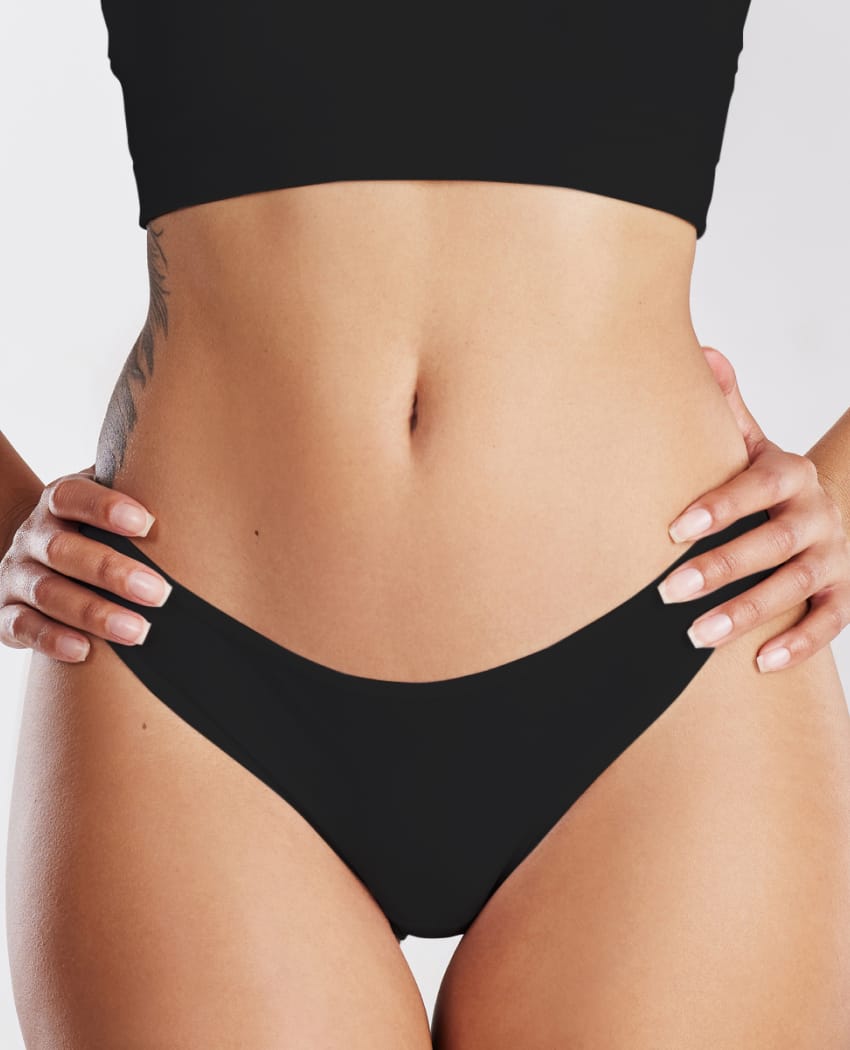
See how the whole-body assessment informs proportion
Balance begins with understanding the relationships among skin, fat, tissue position, existing contours, and personal goals, rather than chasing a single ideal silhouette.
→ Read: How Plastic Surgeons Assess the Whole Body, Not Just One Area
How Body Proportion Shapes Surgical Planning
Body proportion is one of several factors that influences surgical planning. Rather than viewing each concern independently, surgeons consider how different features contribute to your overall shape and whether addressing one area may influence another.
This doesn’t mean every patient requires multiple procedures. In many cases, a single procedure is enough to achieve a meaningful improvement. The objective is simply to ensure that any recommendation supports overall balance rather than focusing too narrowly on one feature, which is a key principle of personalized body contouring.
The Relationship Between the Upper and Lower Body
The proportions of the breasts, waist, hips, abdomen, and thighs all contribute to the body’s overall silhouette. When one of these areas changes after pregnancy, aging, or weight loss, the relationship between the upper and lower body may also change.
For example, a loss of breast volume may make the lower body appear more prominent, while abdominal fullness may reduce the visible distinction between the waist and hips. These relationships help explain why surgical planning considers more than the feature a patient notices first.
The goal is not to create a prescribed body shape. It is to understand how a proposed change may affect the patient’s existing proportions.
Shape, Contour, and Silhouette
Shape refers to the body’s broader form, while contour describes the transitions and definition between different areas. Together, they create the silhouette seen from the front, side, and back.
Different procedures influence these elements in different ways. A tummy tuck may address loose abdominal skin and, when indicated, changes in the abdominal wall. Liposuction may refine selected areas of localized fat, while a breast lift may change breast position and the balance of the upper torso.
These procedures are not interchangeable. The appropriate option depends on the anatomical cause of the concern and the type of change the patient hopes to achieve.
Planning for Natural-Looking Results
Natural-looking results usually come from respecting the patient’s existing anatomy rather than pursuing the greatest possible change. Skin quality, tissue characteristics, body shape, and natural asymmetries all influence what can be achieved.
A proportionate result may involve a subtle refinement, a more noticeable correction, or no change to a neighbouring area at all. The extent of treatment should be based on what supports the patient’s overall shape rather than an idealized standard.
Careful planning also includes discussing limitations, scars, recovery, and the possibility that the final result may continue to change as swelling resolves and tissues settle.
Why Small Changes Can Make a Big Difference
When patients first begin exploring body contouring, it’s common to assume that larger changes will produce better results. In reality, even subtle refinements can significantly influence overall body balance.
For example, improving waist definition may make the hips appear more proportionate, while restoring breast position can create better balance across the upper body without dramatically changing breast size. Because the body is viewed as a whole, relatively small adjustments can have a meaningful effect on overall contour and silhouette.
This is one reason treatment recommendations are not based solely on the area that concerns you most. Instead, surgeons consider how a proposed change will influence your body’s overall proportions before recommending procedures such as a tummy tuck, liposuction, or breast lift.

There’s No Single Definition of Balance
Body proportion is not based on a universal standard, and there is no single body shape that represents the ideal outcome. Every patient has a unique skeletal structure, soft tissue characteristics, and natural proportions that influence how balance is achieved.
Rather than trying to create the same result for every patient, surgeons aim to preserve the features that make each person unique while improving overall harmony. This individualized approach helps create results that look natural, complement the patient’s existing anatomy, and reflect their personal goals.
Understanding these principles also helps explain why two patients with similar concerns may receive different recommendations and why personalized body contouring focuses on the individual rather than a predefined formula.
Questions About Body Proportion to Ask at Consultation
- How might a change to one area affect the appearance of neighbouring areas?
- Which concerns come from tissue position, skin laxity, localized fat, or natural asymmetry?
- What can the recommended approach realistically improve, and what might remain unchanged?
- How can we prioritize the changes that matter most without pursuing unnecessary procedures?
Bringing Your Goals and Body Proportion Together
Body proportion is only one part of the decision-making process, but it plays an important role in developing recommendations that look balanced and feel appropriate for the individual patient.
During your consultation, Dr. Plant will discuss your concerns, evaluate how different areas of the body relate to one another, and explain the options that may be appropriate based on your anatomy, goals, and overall health. Together, these conversations help shape recommendations that are medically appropriate while supporting natural-looking results.
Whether you’re considering a single procedure or exploring several possibilities, understanding body proportion provides valuable context for the decisions that follow.