

When patients begin exploring plastic surgery, they often focus on the area they would most like to improve. While that concern is an important starting point, it represents only one part of the consultation.
A comprehensive assessment considers how different anatomical features relate to one another. Skin quality, tissue characteristics, body proportion, muscle support, existing scars, and overall health all influence which treatment options may be suitable, what can be achieved safely, and how the final result may appear.
Rather than matching a procedure to a single concern, the consultation identifies the underlying factors contributing to that concern. This provides the foundation for recommendations that are tailored to your anatomy and designed to achieve balanced, natural-looking results.
In this article:
- Why a Thorough Assessment Matters
- Understanding Your Anatomy
- Evaluating the Body as a Whole
- Determining What’s Surgically Possible
- How the Assessment Shapes Your Treatment Plan
- What to Expect During Your Consultation
Why a Thorough Assessment Matters
Successful body contouring begins with understanding more than just the area you would like to change. Evaluating how that concern relates to the rest of your body helps establish whether surgery is appropriate, which treatment options may be considered, and what outcomes can realistically be achieved.
Concerns that appear similar on the surface may have very different underlying causes. Loose skin, localized fat, changes in muscle support, or previous surgery can all influence the recommended approach. Identifying the source of the concern helps ensure recommendations address the underlying issue rather than simply its appearance.
This comprehensive evaluation forms the basis of personalized body contouring, where recommendations are developed by considering how different areas of the body work together instead of treating a single feature in isolation.

Understanding Your Anatomy
Every patient has unique anatomical characteristics that influence both surgical planning and potential outcomes. While patients often focus on a specific concern, surgeons evaluate the underlying structures contributing to that concern before discussing treatment options.
These findings help guide surgical technique, recovery planning, and expected outcomes. Rather than following a standardized approach, recommendations are based on the characteristics of your individual anatomy.
Skin Quality and Elasticity
Skin quality plays an important role in body contouring because it influences how tissues respond after surgery. During your consultation, surgeons assess skin elasticity, thickness, and overall condition to understand how well the skin may adapt to changes in contour.
For example, loose skin following pregnancy or significant weight loss may require a different treatment approach than concerns caused primarily by localized fat. Assessing skin quality helps determine which options may provide the most predictable and balanced result.
Muscle Tone and Support
The underlying muscles contribute significantly to the body’s shape, stability, and overall support. Pregnancy, aging and significant weight changes can affect the abdominal wall and other supporting structures, influencing both appearance and function.
Evaluating muscle tone helps distinguish whether concerns originate from the skin, the underlying support structures, or a combination of both. This information guides surgical planning and helps ensure treatment addresses the underlying cause rather than only the visible concern.
Fat Distribution
Fat distribution varies from person to person, and not every area responds to treatment in the same way. During your consultation, surgeons evaluate where excess fat is located, how it affects your overall contour, and whether it contributes to concerns in one or multiple areas.
This assessment also helps determine whether liposuction may be appropriate as part of your treatment plan or whether another approach would better address the underlying concern.
Existing Scars
Previous surgeries, injuries, and natural skin characteristics all influence surgical planning. Existing scars may affect incision placement, tissue movement, healing, and the techniques that can be used safely.
Evaluating these factors before surgery helps anticipate potential challenges, establish realistic expectations, and develop an approach that works with your existing anatomy rather than against it.

Evaluating the Body as a Whole
Individual anatomical features provide valuable information, but they are only one part of the assessment. Surgeons also evaluate how those features relate to one another to understand your overall body shape, contour, and balance.
This broader perspective helps determine whether improving one concern is likely to achieve the desired result or whether surrounding areas also influence the overall appearance. Looking at the body as a whole supports recommendations that complement your natural anatomy rather than focusing too narrowly on a single feature.
Overall Shape and Contour
Overall body shape is influenced by the relationship between multiple areas rather than one feature alone. During an assessment, surgeons evaluate how the abdomen, waist, hips, thighs, breasts, and surrounding tissues contribute to your overall silhouette.
Considering these relationships often provides a clearer understanding of where a concern originates and how changes to one area may influence another. This helps guide recommendations that improve overall harmony rather than treating isolated features independently.
Considering Body Proportion
Body proportion describes how different areas of the body relate to one another rather than the appearance of any single feature. During a consultation, surgeons assess these relationships to understand how proposed changes may influence your overall silhouette.
This evaluation helps explain why recommendations are based on the body as a whole rather than one isolated concern. Understanding body proportion and balance provides additional insight into how these relationships influence surgical planning and natural-looking results.
Natural Asymmetries
No two bodies are perfectly symmetrical, and small differences between the left and right sides are completely normal. During an assessment, surgeons identify these natural asymmetries and discuss how they may influence surgical planning and expected outcomes.
Recognizing existing asymmetries also helps establish realistic expectations. While surgery may improve certain differences, creating perfect symmetry is not always possible or appropriate. Instead, the goal is to achieve improvements that appear balanced, proportionate, and natural.
Understand why the same concern can lead to different plans
Your age alone does not determine the recommended procedure. Tissue characteristics, your health, daily responsibilities, and future plans also influence surgical decision-making.
→ Read: How Age, Lifestyle, and Anatomy Influence Treatment Recommendations
Determining What’s Surgically Possible
Before recommending surgery, surgeons must determine not only what can be improved, but also what can be achieved safely and predictably. The assessment brings together your anatomy, overall health, and treatment goals to establish an approach that aligns with both your expectations and long-term wellbeing.
At this stage, the findings from your consultation begin to form a complete picture. Rather than considering each observation independently, surgeons evaluate how these factors work together before recommending a treatment approach. In some cases, a single procedure may be appropriate. In others, additional planning or a staged approach may provide a safer or more balanced outcome.
Anatomical Considerations
Every surgical recommendation begins with understanding what your anatomy can safely support. Skin elasticity, tissue quality, existing scars, body proportion, and overall health all influence which procedures may be appropriate and how they should be performed.
These considerations also help determine whether surgery is advisable at the present time or whether another approach may better support your long-term goals. This is one reason personalized body contouring focuses on the individual rather than applying the same recommendation to every patient.
Setting Realistic Expectations
An important part of every consultation is discussing what surgery can realistically achieve. While body contouring can improve shape, proportion, and contour, every procedure has limitations based on your existing anatomy and how your body heals.
Open conversations about expected outcomes, recovery, scars, and potential trade-offs help patients make informed decisions before moving forward with treatment. When several concerns are present, determining the most appropriate treatment area can help establish a logical starting point.
How the Assessment Shapes Your Treatment Plan
A comprehensive assessment provides the clinical information needed to develop recommendations that reflect your anatomy, health, goals, and recovery considerations. Rather than selecting a procedure based solely on a visible concern, surgeons use the findings from your consultation to identify the approach most likely to achieve a safe and balanced result.
For some patients, this may involve a single procedure. For others, it may include multiple options or a staged approach depending on their individual circumstances. Every recommendation is informed by the complete assessment, not one isolated finding.
This forms the foundation of a personalized treatment plan, where recommendations are tailored to the individual instead of following a standardized pathway.
Questions to Ask About Your Assessment
- What is the main anatomical cause of my concern?
- Are other areas affecting the way this feature looks?
- Which treatments could address the concern, and which would not?
- What risks, scars, recovery needs, and alternatives should I consider?
These questions can help translate your examination into a realistic, individualized treatment plan.
What to Expect During Your Consultation
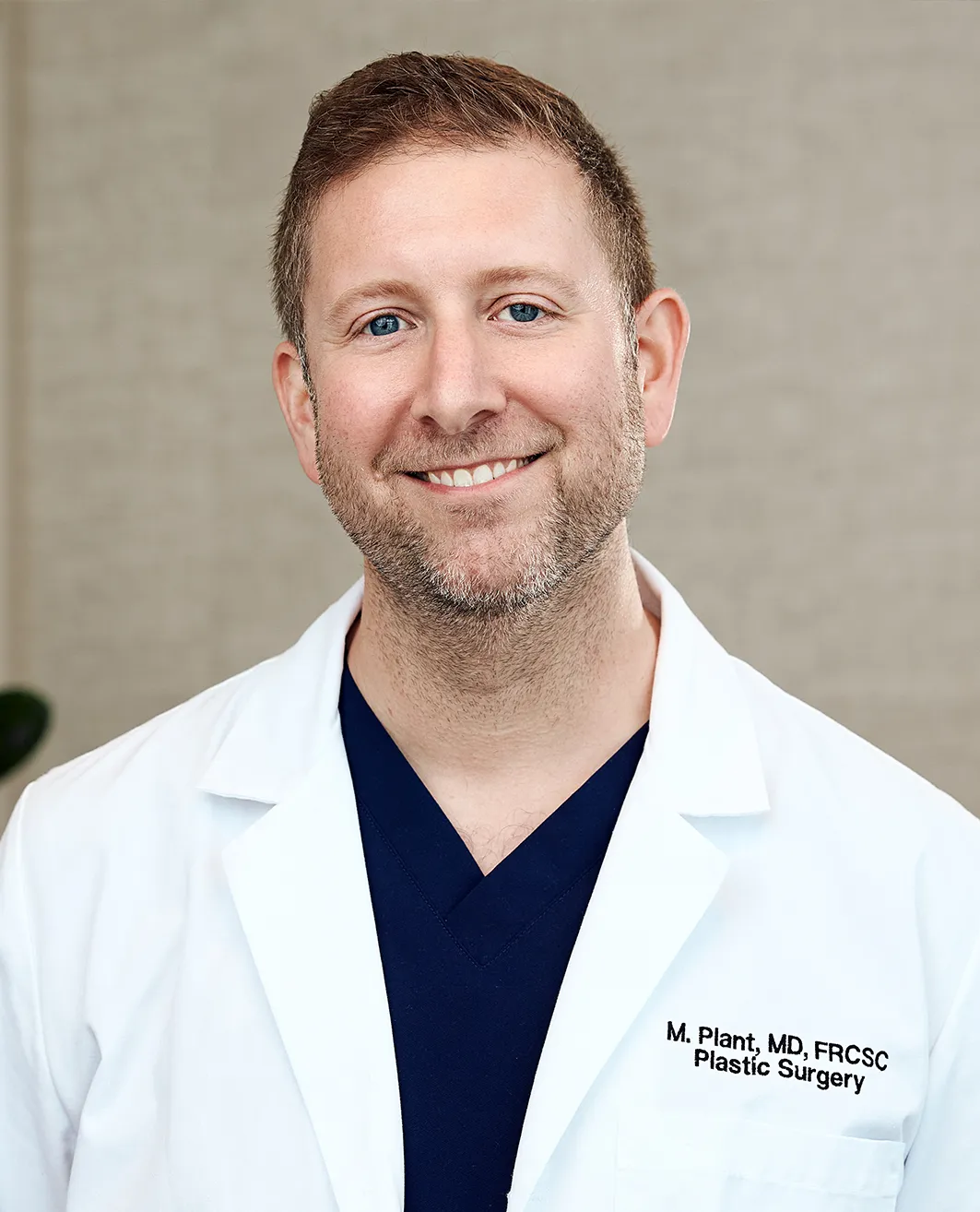
Your consultation is an opportunity to discuss your concerns, ask questions, and gain a clear understanding of the treatment options that may be appropriate for you. Dr. Plant will perform a comprehensive assessment, explain the findings, and walk you through the reasoning behind each recommendation.
You’ll also discuss expected outcomes, recovery, potential risks, and whether surgery aligns with your goals and circumstances. The consultation is designed to help you make informed decisions with confidence, without pressure or obligation.
Whether you’re beginning your research or you’re ready to explore body contouring options, your consultation is the first step toward developing a treatment approach that’s appropriate for your individual needs.