

Whether you’re considering surgery or a non-surgical treatment, the first step is understanding what is causing the concern you want to address. While both approaches aim to improve body contours, they are designed to treat different conditions and achieve different types of results.
Non-surgical treatments may be appropriate for selected patients with localized fat or mild skin laxity, while surgical procedures can address concerns such as excess skin, weakened muscles, and more significant changes in body shape. Understanding these differences can help you make a more informed decision about your treatment options.
In this article:
- The Right Treatment Depends on the Underlying Concern
- When Non-Surgical Body Contouring May Be Appropriate
- When Surgery May Be the More Appropriate Option
- More Than One Approach May Be Appropriate
- How Dr. Plant Helps Patients Explore Their Options
- View Before & After Results
The Right Treatment Depends on the Underlying Concern
Patients may be concerned about the same area of the body but require completely different treatments because the underlying cause of the concern is different.
For example, fullness around the abdomen may be caused by stubborn fat, loose skin following pregnancy or weight loss, weakened abdominal muscles, or a combination of these factors. Although these concerns can appear similar, they cannot all be corrected using the same treatment.
This is why identifying the underlying concern is an essential part of the treatment planning process. Factors such as skin quality, tissue laxity, anatomy, and overall health all influence which approach is most likely to achieve a patient’s goals. To provide a personalized treatment recommendation, selecting between surgical and non-surgical body contouring involves evaluating more than the visible concern alone.
When Non-Surgical Body Contouring May Be Appropriate
Non-surgical body contouring treatments may be suitable for patients with relatively mild concerns who are looking for gradual improvements without surgery. These treatments are designed to enhance body contours in carefully selected cases, but they cannot replicate the structural changes that surgery can provide.
Understanding where non-surgical treatments are most effective, and where they have limitations, can help set realistic expectations before choosing a treatment.
Localized Fat With Good Skin Quality
Some non-surgical treatments are designed to reduce small, localized pockets of fat that have not responded to diet and exercise. Patients with good skin elasticity are generally more likely to achieve smoother contours because the skin can adapt more effectively as fat is reduced.
These treatments are intended to refine body shape rather than support weight loss. Patients who have experienced significant weight loss may also have excess skin or changes in tissue support that cannot be addressed with non-surgical fat reduction alone.
Mild Skin Laxity
As skin gradually loses elasticity with age, pregnancy, or weight fluctuations, some patients develop mild skin laxity that affects overall body contours. Depending on the severity of these changes, certain non-surgical treatments may improve skin firmness or texture.
However, it’s important to recognize their limitations. While non-surgical treatments may improve skin laxity, they cannot remove significant amounts of excess skin or reposition underlying tissues. Patients with more advanced skin laxity may benefit from a surgical procedure that directly addresses these concerns.
Patients Seeking Gradual Improvement With Minimal Downtime
For some patients, avoiding surgery or minimizing recovery time is an important priority. Non-surgical body contouring treatments generally involve little to no downtime, allowing many patients to resume normal daily activities shortly after treatment.
This convenience often comes with trade-offs. Results typically develop gradually, multiple treatment sessions may be recommended, and the overall degree of improvement is generally more modest than what can be achieved through surgery. Understanding these differences can help patients choose the approach that best aligns with both their goals and expectations.
When Surgery May Be the More Appropriate Option
Surgical body contouring may be recommended when the concern extends beyond localized fat or mild skin laxity. Unlike non-surgical treatments, surgery can remove excess skin, reshape underlying tissues, and address structural changes that affect the body’s overall contour.
While surgery involves incisions and a longer recovery period, it may offer a more effective solution for patients seeking significant or long-lasting improvements that cannot be achieved with non-surgical treatments alone.
Removing Excess Skin
Excess skin is one of the most common reasons surgery may be recommended. Pregnancy, significant weight loss, and the natural aging process can all reduce skin elasticity, leaving skin that cannot contract on its own.
Although some non-surgical treatments may improve skin firmness or remove mild to moderate skin excesses, they cannot remove significantly loose or hanging skin. Surgical procedures, such as a tummy tuck or body lift, are designed to excise excess tissue while improving the body’s overall shape and proportion.
Patients who have experienced significant weight loss often have excess skin affecting multiple areas of the body, which may require a staged surgical approach depending on their individual goals and anatomy.
Creating More Significant Contour Changes
Patients seeking more noticeable changes in body shape may find that surgery provides a greater degree of correction than non-surgical treatments alone.
Procedures such as liposuction, abdominoplasty, or body lift surgery allow the surgeon to reshape larger treatment areas and create more defined contours. Surgical planning also considers body proportion and balance, helping ensure that improvements in one area complement the surrounding anatomy rather than appearing isolated.
The goal is not simply to remove tissue, but to create natural-looking contours that are in harmony with the rest of the body.
Addressing Structural Changes That Non-Surgical Treatments Cannot Correct
Some body contouring concerns involve changes beneath the skin that non-surgical treatments can’t address.
For example, pregnancy or significant weight fluctuations may result in separated abdominal muscles (diastasis recti), while aging or weight loss can lead to tissue descent and weakened structural support. Because non-surgical treatments work at or near the surface, they cannot repair muscles, reposition tissues, or remove excess skin.
When these underlying structural changes are contributing to a patient’s concerns, surgery may provide a more comprehensive solution by correcting the source of the problem rather than improving its appearance alone.
Surgical vs. Non-Surgical Options at a Glance
- Concern: Localized fat with sufficient skin elasticity. Discuss whether a non-surgical option or liposuction may be appropriate; results, limitations, and recovery differ.
- Concern: Substantial loose or hanging skin. Discuss whether a skin-removal procedure is necessary to address the concern.
- Concern: Abdominal muscle separation or structural changes. Ask which surgical approaches can address the underlying anatomy; fat reduction alone will not correct muscle separation.
- Concern: More than one factor. A consultation may identify a combination of concerns that calls for a different approach or no treatment at present.
These examples are general, not a substitute for examination or individualized recommendations.

More Than One Approach May Be Appropriate
Choosing between surgical and non-surgical body contouring is not always an either-or decision. Depending on your anatomy, goals, and the concerns being addressed, there may be more than one appropriate treatment approach.
For some patients, a non-surgical treatment may provide the level of improvement they are seeking. Others may benefit from surgery to address concerns that cannot be corrected without removing excess skin or repairing underlying structures. In certain cases, multiple procedures may be recommended to achieve balanced, natural-looking results, either during the same operation or as a staged surgical plan.
The most appropriate recommendation is one that considers both what is technically possible and what aligns with your goals, lifestyle, and expectations.
Learn how the correct treatment starts with the correct assessment
A similar-looking contour concern may come from localized fat, loose skin, muscle support, or a combination. Understanding the cause can prevent choosing an approach that does not address your main goal.
→ Read: How Plastic Surgeons Assess the Whole Body, Not Just One Area
How Dr. Plant Helps Patients Explore Their Options
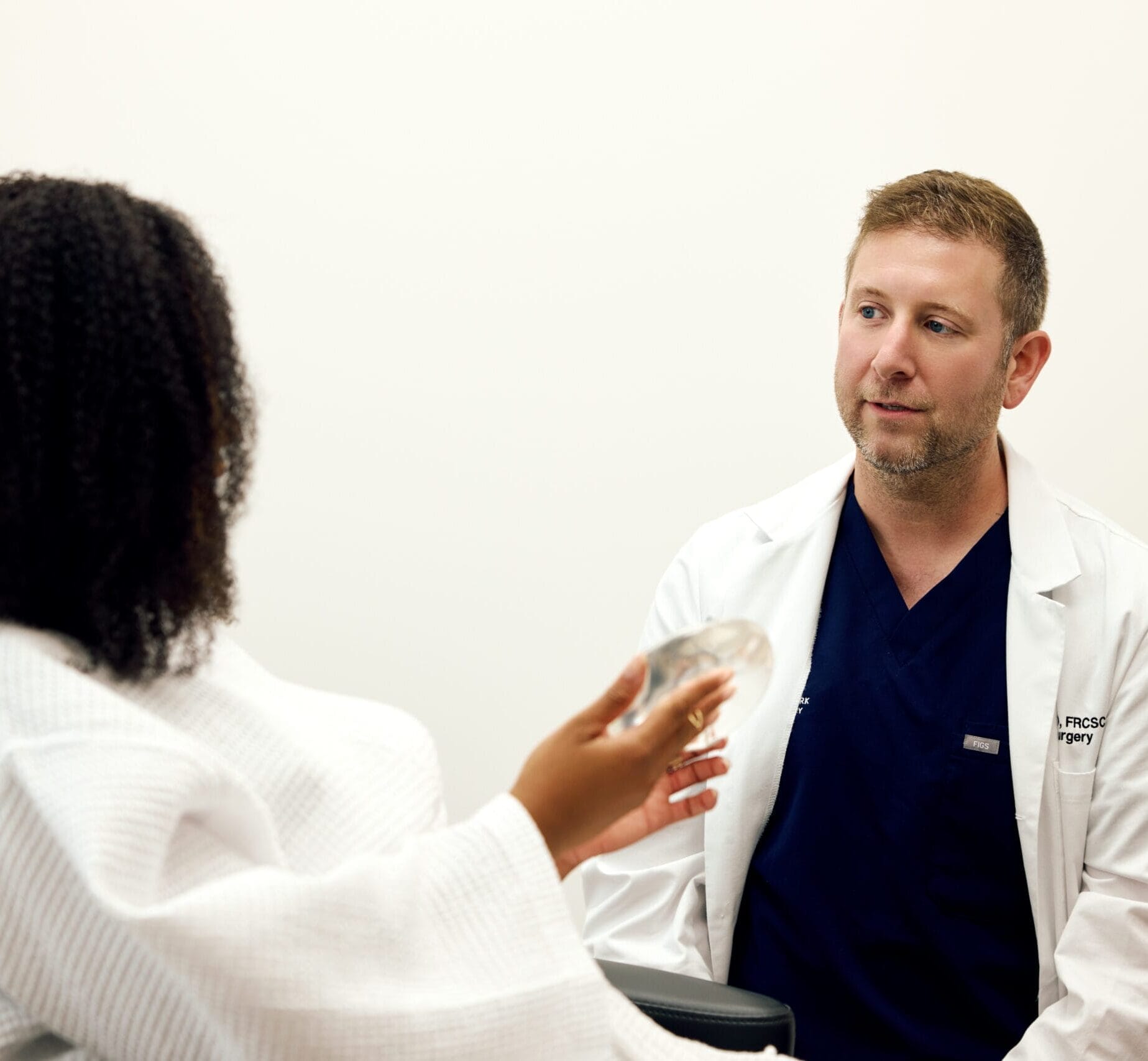
Every consultation begins with understanding the concern before discussing potential solutions. Dr. Plant performs a comprehensive assessment of the treatment area, considering factors such as skin quality, tissue support, body proportions, and your desired outcome.
Rather than recommending a procedure based on appearance alone, he explains the benefits and limitations of each appropriate option so you can make an informed decision. Whether surgery, a non-surgical treatment, or a combination of approaches is recommended, the focus is on developing a plan that reflects your anatomy and aesthetic goals.
View Before & After Results


Frequently Asked Questions
| Question | Answer |
|---|---|
| "Can non-surgical body contouring remove significant loose skin?" | Non-surgical options have limitations and generally cannot remove substantial excess skin in the way a surgical excision can. |
| "Is surgery always the better choice for a more visible result?" | No. Suitability depends on the specific anatomical concern, expected benefit, risks, downtime, and your preferences. Sometimes waiting or choosing no treatment is appropriate. |
Schedule a Consultation
If you’re considering body contouring but are unsure whether a surgical or non-surgical approach is right for you, a consultation with Dr. Plant is the best place to start.
During your consultation, you’ll have the opportunity to discuss your concerns, learn which treatment options may be appropriate for your anatomy and goals, and develop a personalized treatment plan based on a thorough evaluation.
Contact Lawrence Park Plastic Surgery to schedule your consultation and take the first step toward achieving your body contouring goals.