

Losing a significant amount of weight is a remarkable achievement that can improve overall health, mobility, and quality of life. While reaching your goal is an important milestone, many patients are left with excess skin, changes in body contour, and stretched tissues that remain after weight loss.
These physical changes are a normal consequence of significant weight loss and cannot typically be corrected through continued diet or exercise alone. Surgical body contouring is designed to remove excess skin, reshape the body’s contours, and restore better proportion.
This guide explains the common physical changes that can occur after major weight loss, the surgical procedures that may be recommended, and what to expect throughout your transformation journey.
In this article:
- Why Body Contouring Is Often the Next Step
- Physical Changes After Significant Weight Loss
- Surgical Body Contouring Procedures After Weight Loss
- When Is the Right Time for Body Contouring Surgery?
- What to Expect Throughout Your Surgical Journey
- Dr. Plant’s Approach to Post-Weight Loss Body Contouring
Why Body Contouring Is Often the Next Step
Weight loss changes far more than the number on the scale. As the body loses fat, the skin and supporting tissues do not always contract to match the body’s new shape. The amount of skin retraction depends on factors such as age, genetics, skin elasticity, the amount of weight lost, and how long the skin remained stretched.
As a result, many patients are left with loose skin, changes in body proportion, and tissue laxity that can affect both appearance and physical comfort. These concerns may interfere with exercise, create skin irritation, make clothing difficult to fit, or leave patients feeling that their outward appearance does not reflect the progress they have achieved.
Surgical body contouring addresses the concerns that may remain once your weight has stabilized. Rather than helping patients lose additional weight, these procedures remove excess skin and reshape the body to better reflect its underlying contours.

Physical Changes After Significant Weight Loss
Every patient’s experience after weight loss is unique, but several physical changes are particularly common following substantial weight reduction. The location and severity of these changes depend on factors such as age, genetics, skin quality, and the amount of weight lost.
Understanding these changes helps explain why different procedures may be recommended and why treatment recommendations vary from one patient to another.
Loose Skin
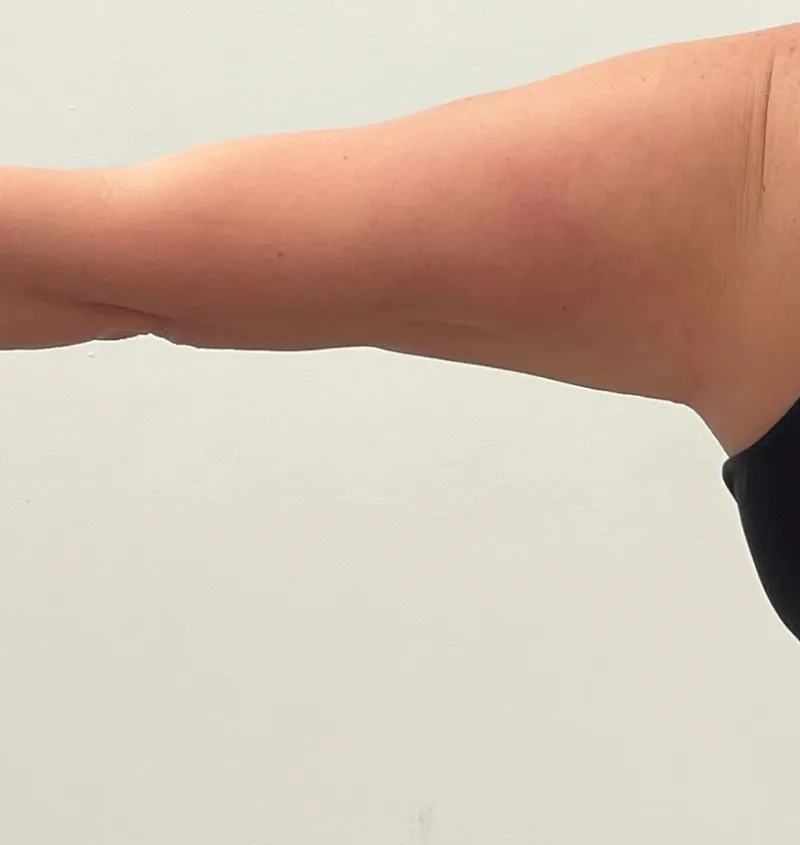
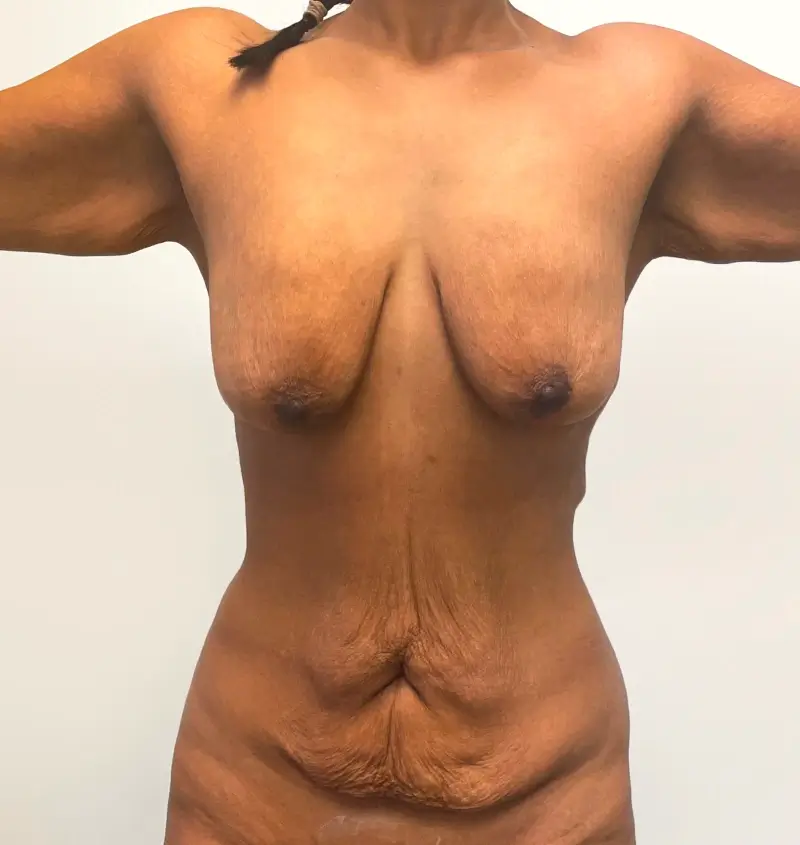
Loose skin is the most common concern following significant weight loss. After the skin has been stretched over an extended period, it may not fully contract once the underlying fat has been lost. This can result in folds of skin around the abdomen, arms, thighs, back, breasts, and lower body.
Beyond cosmetic concerns, excess skin may contribute to discomfort during physical activity, skin irritation, difficulty with clothing, and challenges maintaining hygiene in skin folds.
While non-surgical body contouring may be appropriate for mild skin laxity, larger amounts of excess skin generally require surgical removal to achieve meaningful improvement.
Changes in Body Shape and Proportion
Significant weight loss can alter the body’s overall shape in ways that extend beyond excess skin. As fat is lost from different areas of the body, patients may notice reduced definition, changes in contour, or differences in proportion between the upper and lower body.
Body contouring surgery is rarely about treating a single area in isolation. Instead, treatment planning considers how different procedures work together to create balanced, natural-looking results that complement the body’s overall proportions.
Changes in Breast Volume and Position
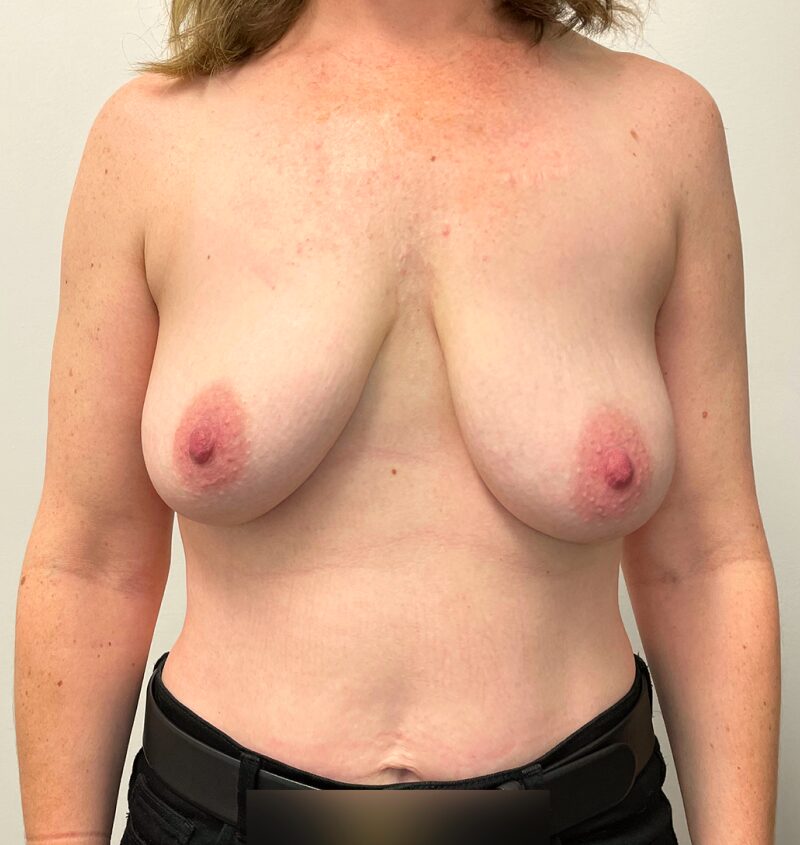
Major weight loss often affects the breasts as well as the body. As breast volume decreases, the skin and supporting tissues may not fully retract, leading to loss of fullness, breast ptosis (sagging), or changes in breast shape.
The most appropriate treatment depends on the degree of skin laxity, remaining breast volume, and each patient’s goals. Some patients may benefit from a breast lift, while others may choose to combine a lift with breast augmentation or breast reduction to achieve their desired shape and proportion.

Surgical Body Contouring Procedures After Weight Loss
Post-weight loss body contouring is highly individualized. Rather than performing the same procedure for every patient, personalized treatment plans are based on the areas affected by excess skin, changes in tissue support, and each patient’s overall goals.
In many cases, treatment involves addressing multiple areas of the body to create balanced, harmonious results. The following procedures are among the most commonly performed after significant weight loss.
Tummy Tuck
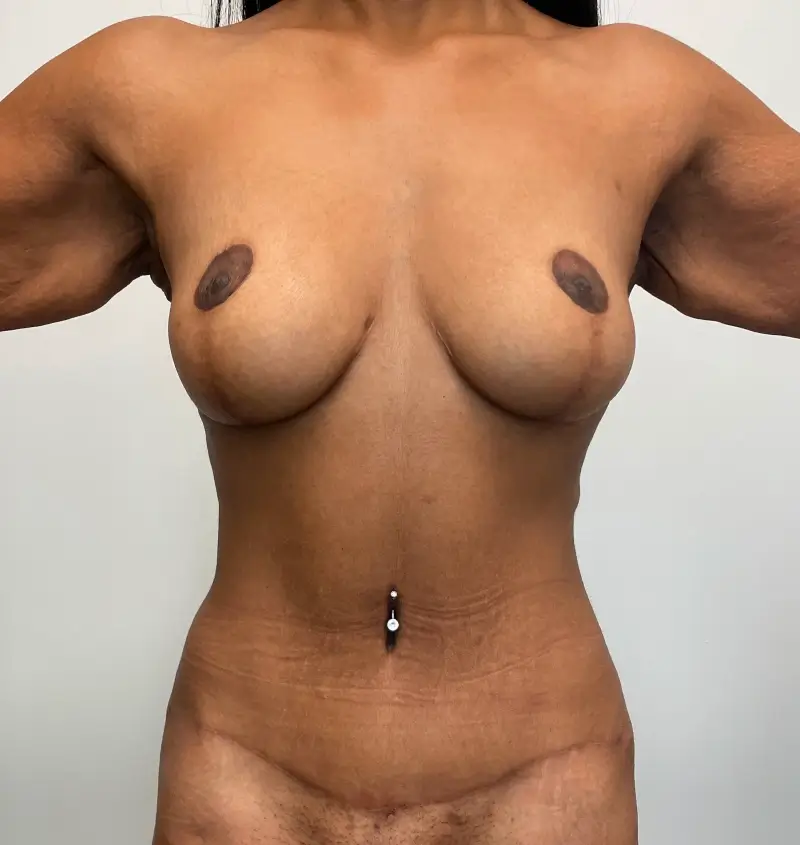
A tummy tuck is one of the most frequently recommended procedures after major weight loss. It removes excess skin from the abdomen and may also repair separated abdominal muscles (diastasis recti) when present, creating a firmer, smoother abdominal contour.
Body Lift
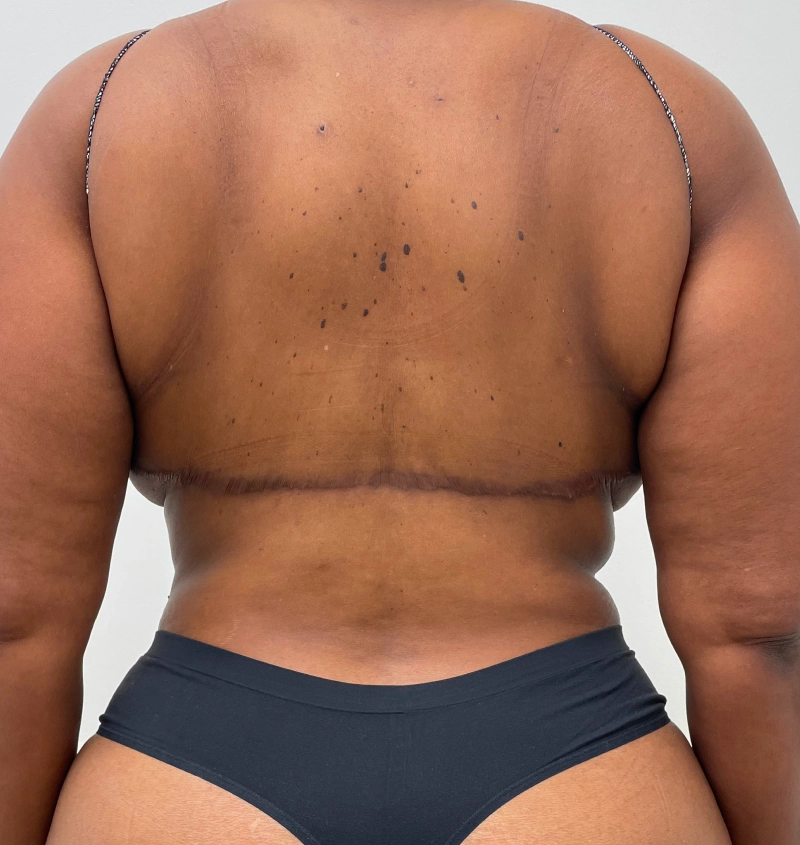
When excess skin extends beyond the abdomen to involve the hips, flanks, buttocks, or lower back, a body lift may provide a more comprehensive solution. This procedure removes circumferential excess skin while improving contour around the lower torso.
Breast Lift
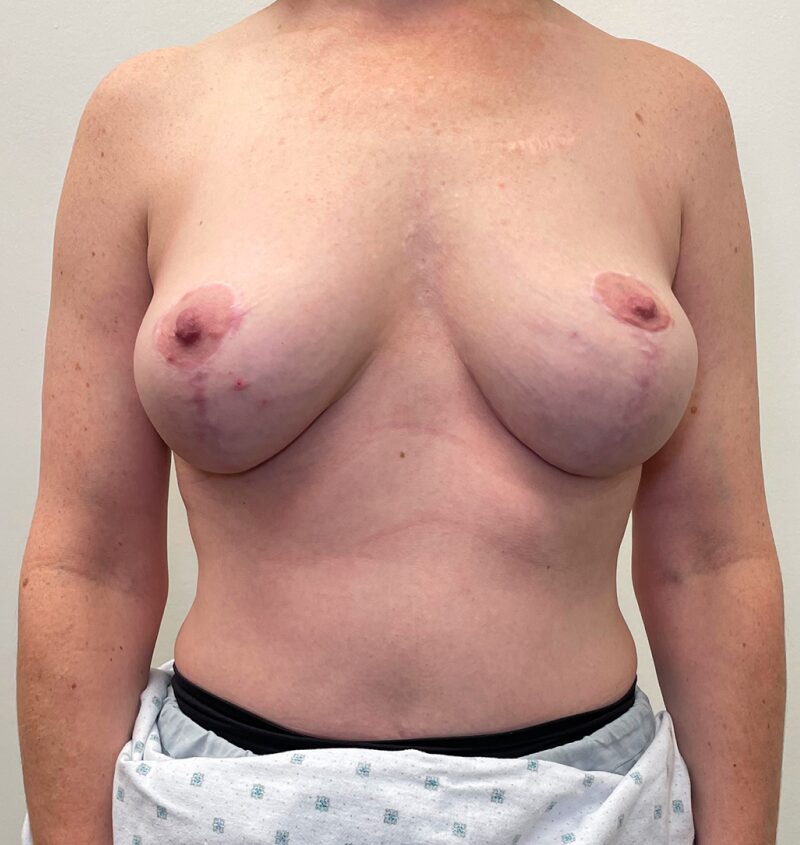
A breast lift reshapes and repositions the breasts after weight loss by removing excess skin and restoring a more youthful breast position. Depending on the amount of remaining breast tissue, augmentation or reduction may also be considered.
Arm Lift
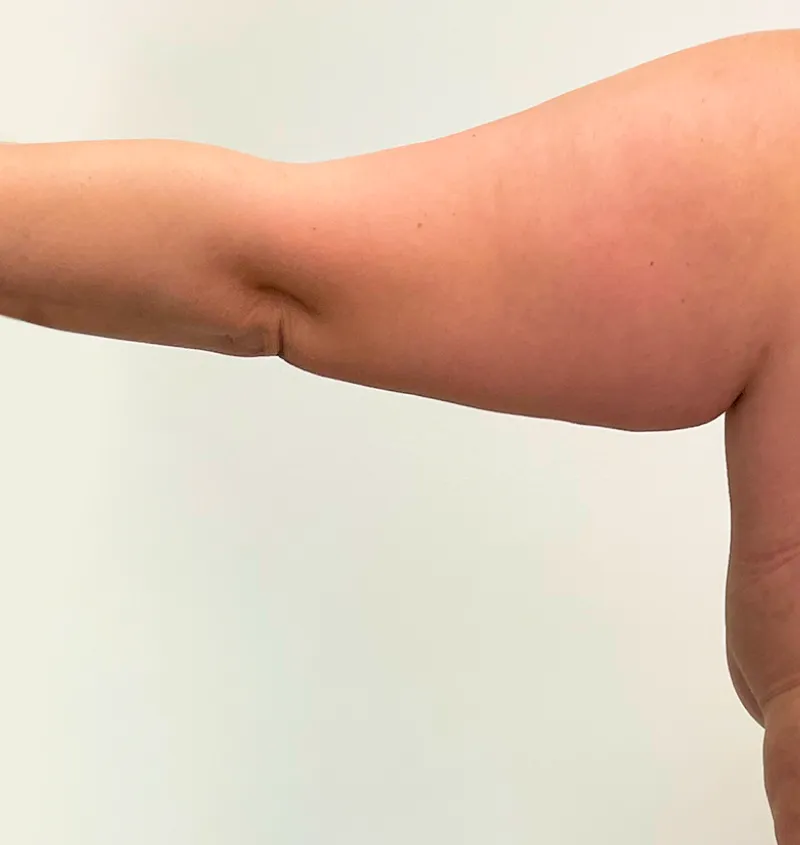
An arm lift addresses loose skin and excess tissue along the upper arms, creating a more defined contour that is often difficult to achieve through exercise alone after significant weight loss.
Thigh Lift
A thigh lift removes excess skin from the inner or outer thighs to improve contour, reduce skin friction, and create smoother leg proportions following weight loss.
Liposuction
Although liposuction removes localized fat deposits, it does not address loose skin. Following significant weight loss, it is commonly performed alongside skin removal procedures to refine contours and improve the final result rather than as a standalone treatment.
Can Multiple Procedures Be Performed Together?
Significant weight loss often affects multiple areas of the body, making it common for patients to consider more than one body contouring procedure. Depending on your overall health, surgical goals, and the complexity of treatment, multiple procedures may sometimes be performed during a single operation.
In other cases, surgery may be completed using a staged approach, allowing different areas to be treated over separate procedures. This approach prioritizes patient safety while helping achieve balanced, natural-looking results.
Your surgical plan is developed based on your individual anatomy, the areas being addressed, and what can be performed safely and effectively.
Build a plan for the whole transformation, not just one area
After significant weight loss, treatment may involve the abdomen, breasts, upper arms, thighs, or lower torso. A personalized evaluation can help determine priorities and whether procedures should be staged.
→ Read: Personalized Body Contouring: Building a Surgical Plan Around Your Goals

When Is the Right Time for Body Contouring Surgery?
Timing plays an important role in achieving long-term results after significant weight loss. Surgery is generally recommended once your weight has stabilized and your body has had time to recover from the physical changes associated with weight loss.
In addition to body weight, factors such as nutrition, overall health, and your ability to recover after surgery all contribute to determining when body contouring may be appropriate.
Reaching a Stable Weight
Most patients are encouraged to maintain a stable weight before proceeding with body contouring surgery. Continued weight loss after surgery can affect the final contour, while significant weight gain may alter surgical results over time.
Although every patient is different, maintaining a stable weight for several months often provides a more predictable foundation for surgery.
Nutrition and Overall Health
Major weight loss, particularly following bariatric surgery, can sometimes result in nutritional deficiencies that may affect wound healing and recovery. Ensuring adequate protein intake, vitamin levels, and overall nutritional health before surgery helps support the healing process.
General health factors, including smoking status and chronic medical conditions, are also considered when determining surgical readiness.
Planning for Recovery
Recovery planning begins well before the day of surgery. Depending on the procedures being performed, you may need time away from work, assistance at home during the early stages of recovery, and temporary modifications to physical activities.
Preparing in advance allows you to focus on healing while helping ensure a smoother recovery experience.
What to Expect Throughout Your Surgical Journey
Understanding the treatment process can help you feel more prepared and confident as you plan your post-weight loss transformation. While every treatment plan is personalized, most patients follow a similar journey from consultation through recovery.
Your Consultation
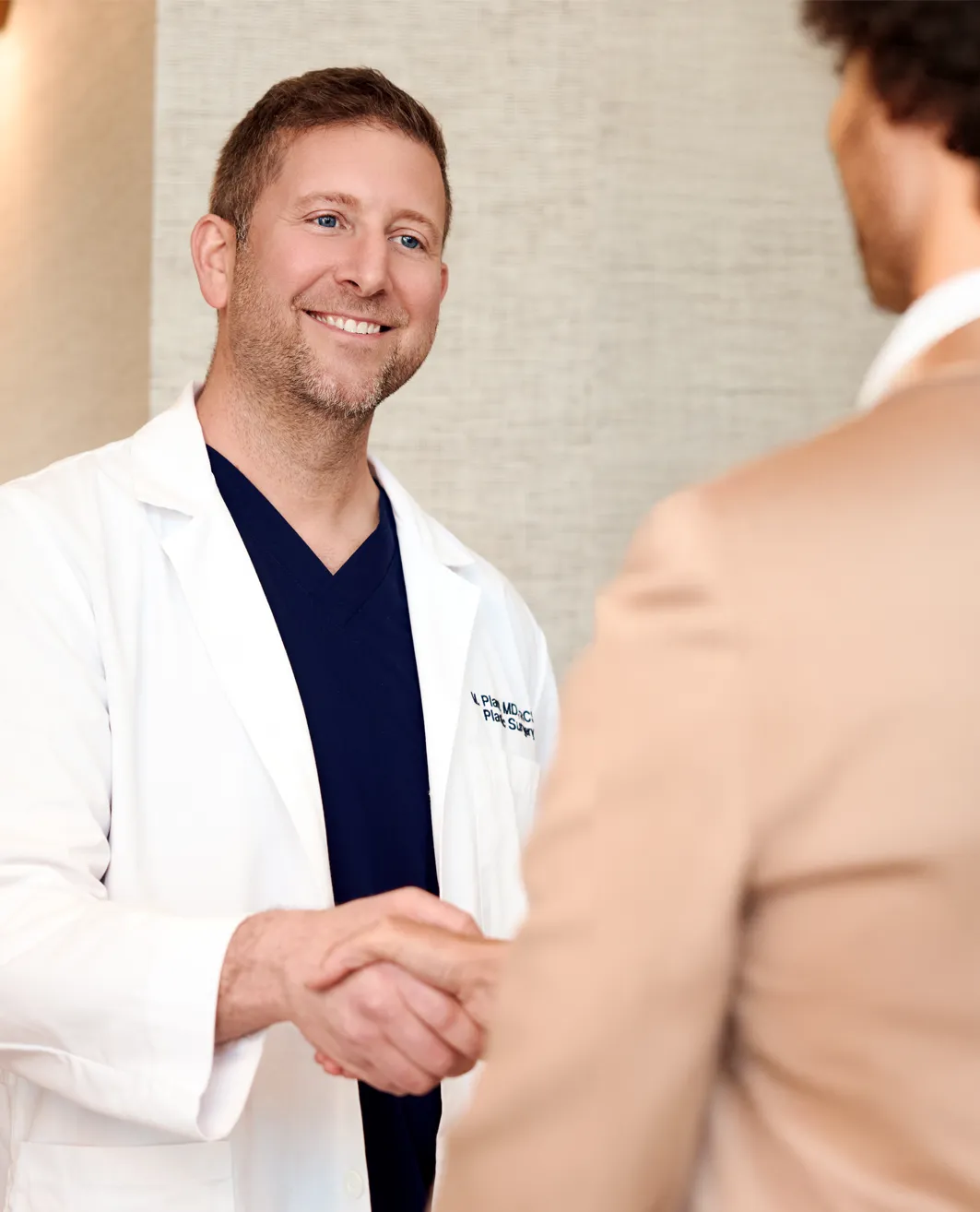
Your consultation begins with a comprehensive assessment of your concerns, medical history, and treatment goals. Dr. Plant evaluates the treatment areas before discussing which procedures may be appropriate, whether surgery should be performed in stages, and what results you can realistically expect.
You’ll also have the opportunity to ask questions about recovery, timing, and the overall treatment process so you can make an informed decision.
Surgery and Recovery
The details of surgery and recovery vary depending on the procedures being performed and whether treatment is completed in a single operation or over multiple stages.
Following surgery, you’ll receive detailed postoperative instructions designed to support healing and help you return to daily activities safely. Recovery is gradual, and improvements continue to become more apparent as swelling subsides and tissues heal.
Long-Term Results
The results of body contouring surgery are intended to be long-lasting when supported by a stable weight and a healthy lifestyle.
Following your postoperative instructions and attending scheduled follow-up appointments are important parts of achieving the best possible long-term outcome.
Post-Weight Loss Consultation Checklist
- Share your weight history, whether your weight has stabilized, and any ongoing nutrition or health concerns.
- Note all areas where excess skin affects comfort, clothing, activity, or body contour.
- Bring details of previous operations, current medications and supplements, and relevant medical conditions.
- Ask which treatment areas are highest priority, what scars and recovery restrictions are involved, and whether stages may be advisable.
- Plan for time away from work and practical help at home during healing.
Dr. Plant’s Approach to Post-Weight Loss Body Contouring
No two post-weight loss transformations are the same. Dr. Plant develops a surgical plan based on the areas that concern you most, how your body has changed following weight loss, and what can be achieved safely.
Whether treatment involves a single procedure or multiple stages, every recommendation is made with careful attention to proportion, recovery, and long-term outcomes. The goal is to create improvements that look balanced, feel natural, and complement your individual anatomy.
Frequently Asked Questions
| Question | Answer |
|---|---|
| "Do I need to reach a stable weight before surgery?" | Weight stability is an important consideration because further significant weight changes can affect the result. Dr. Plant can help determine appropriate timing for your circumstances. |
| "Can all areas of excess skin be treated together?" | Not always. The amount of correction required, operating time, safety, and recovery demands may make a staged plan more suitable. |
See Real Post-Weight Loss Transformations
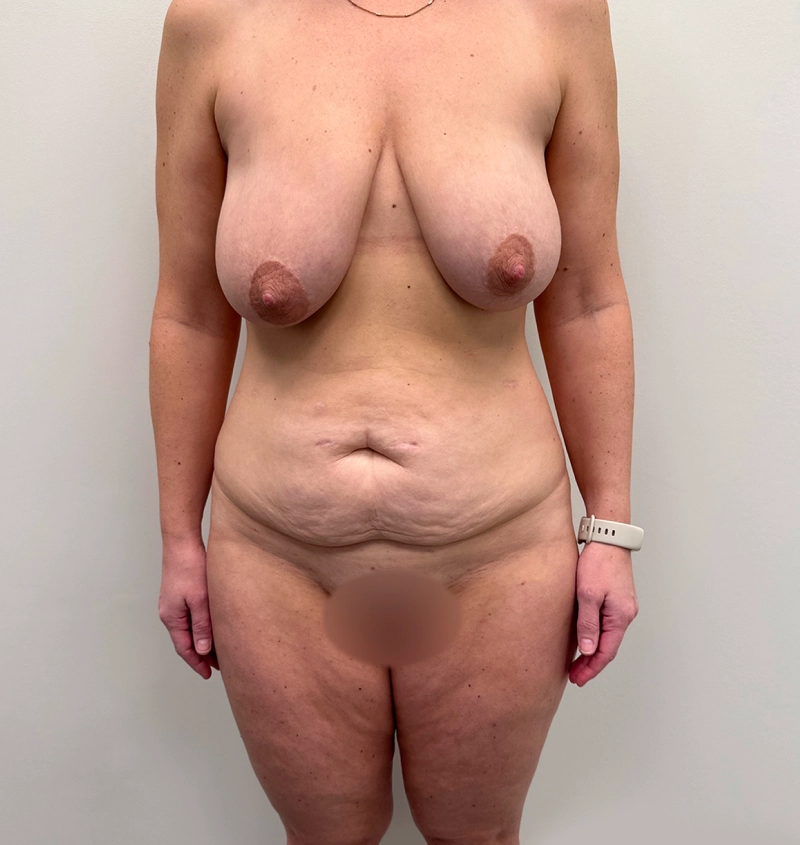
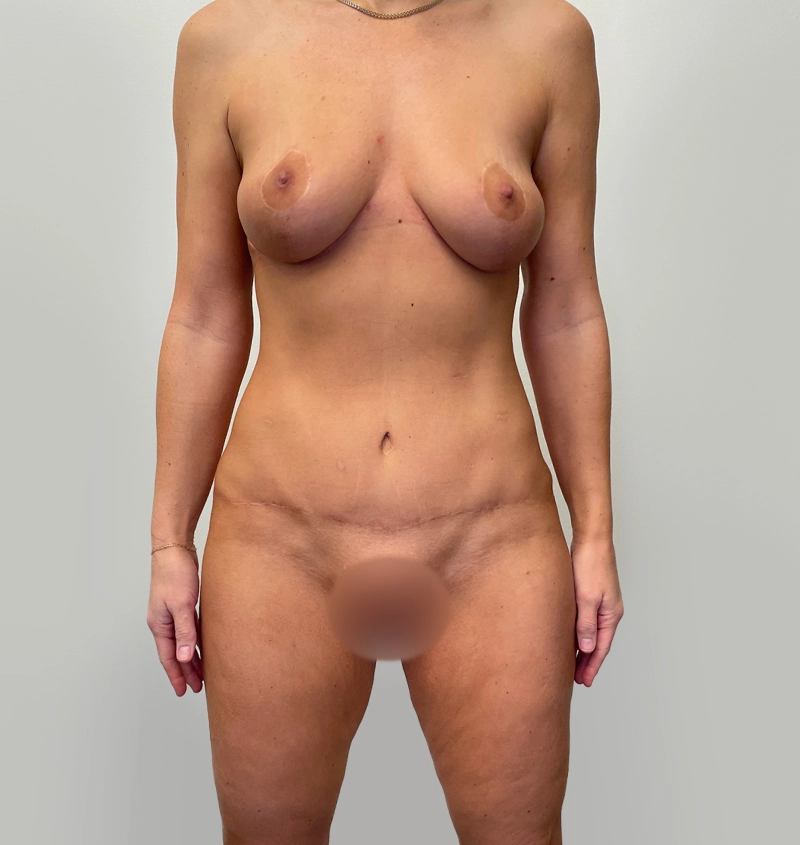
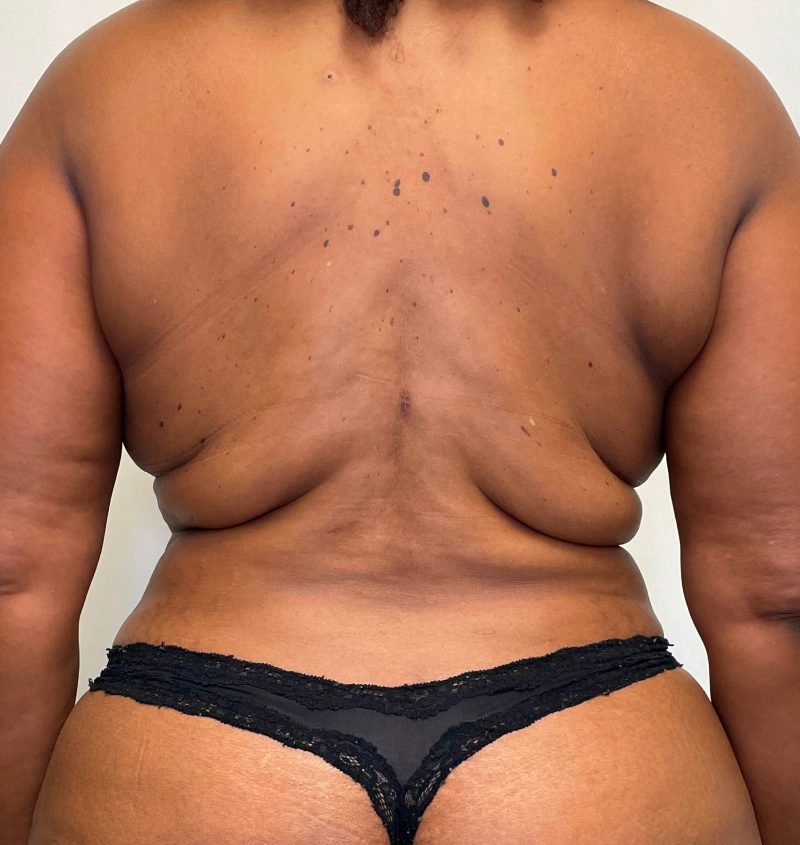
As you explore the before-and-after gallery, pay attention to patients with concerns similar to your own. These examples demonstrate how different procedures can be combined to address excess skin, restore proportion, and create balanced, natural-looking results.



Book Your Consultation
If you’ve reached a stable weight and are considering body contouring surgery, a consultation with Dr. Plant is the next step toward understanding your options.
During your consultation, you’ll discuss your concerns, learn which procedures may be appropriate, and have the opportunity to ask questions about timing, recovery, and expected outcomes.
Contact Lawrence Park Plastic Surgery to schedule your consultation.